Natural Approaches to Migraines: Reducing Frequency and Severity
Migraines aren't just headaches. They're a complex neurological disorder with identifiable biological drivers, and natural approaches that target those drivers can meaningfully reduce how often they happen and how bad they are.
This article is for educational purposes. Migraine is a neurological condition. Nothing here constitutes medical advice or replaces diagnosis and treatment from your healthcare provider. Always discuss new supplements with your doctor, particularly if you are on prescription migraine medications.
You get migraines, whether episodic or chronic, and you're looking for natural approaches that actually address the biology. You may have tried triptans or preventive medications and found them inadequate, intolerable, or want to complement them naturally. This article covers both the mechanisms and the evidence, without oversimplifying.
Migraines are driven by neuroinflammation, CGRP release, cortical spreading depression, and endocannabinoid system deficiency. Beta-caryophyllene (BCP) addresses migraine biology through two ECS mechanisms: direct CB2 receptor activation reducing neuroinflammation, and MAGL enzyme inhibition raising 2-AG endocannabinoid levels. Combined with magnesium (strongest natural evidence, 400-600mg/day), riboflavin B2 (400mg/day), CoQ10 (100-300mg/day), and omega-3 fatty acids, a layered approach can reduce migraine frequency by several days per month. BCP taken at earliest symptom onset may also reduce acute attack severity.
Migraine affects over 1 billion people worldwide. It's the third most prevalent illness on the planet and one of the leading causes of disability, yet it remains profoundly undertreated. For many sufferers, conventional medications are partially effective at best, come with significant side effects, or don't work for prevention at all. The gap between what pharmaceutical medicine offers and what people with migraines actually need is large enough to drive a genuine search for natural alternatives.
This article goes beyond the usual "drink more water, avoid caffeine" advice. Understanding what actually drives migraines, at the cellular and biochemical level, is the starting point for choosing natural interventions that address the biology rather than just masking the symptom.
What a migraine actually is
A migraine is not a bad headache. It is a complex neurological event involving multiple distinct phases, specific cellular mechanisms, and a cascade of neurochemical changes. Understanding the phases matters because different natural approaches are more or less relevant to each:
Early warning signs: fatigue, mood changes, food cravings, neck stiffness, frequent yawning. The brain is entering a pre-attack state with altered neurotransmitter and hormonal activity.
Neurological symptoms including visual disturbances, tingling, or speech changes caused by cortical spreading depression, a wave of electrical suppression moving across the brain.
Intense, often throbbing, usually one-sided pain. Nausea, vomiting, photophobia, phonophobia. Driven by CGRP release, trigeminovascular activation, and meningeal neuroinflammation.
After pain resolves: exhaustion, cognitive fog, mood changes. Often described as feeling wrung out. Brain fog and fatigue can persist for 24-48 hours.
The core biology driving migraines
Four interlocking mechanisms underlie most migraine attacks. Natural approaches that address these mechanisms have the strongest rationale:
Neuroinflammation: Inflammatory signalling in the meninges and trigeminal nerve system produces and maintains the pain of migraine. Pro-inflammatory cytokines and mast cell activation in dural tissue are consistently elevated during attacks.
CGRP release: Calcitonin gene-related peptide (CGRP) is the primary neuropeptide of migraine. Released from trigeminal nerve endings, it causes vasodilation, activates pain receptors, and drives the intense throbbing pain. CGRP levels are elevated during attacks, so elevated that the newest pharmaceutical migraine drugs (erenumab, fremanezumab) work by blocking CGRP or its receptor.
Cortical spreading depression (CSD): A slow wave of electrical depolarization that moves across the cortex, triggering the aura phase and initiating the pain cascade. CSD triggers CGRP release and activates trigeminal pathways.
Endocannabinoid deficiency: Researcher Ethan Russo proposed the theory of clinical endocannabinoid deficiency (CECD), that insufficient ECS tone underlies migraine, IBS, and fibromyalgia. Supporting evidence includes measurably lower anandamide and 2-AG levels in cerebrospinal fluid of migraine patients, and ECS involvement in regulating the CGRP and pain pathways central to migraine. This is the mechanism most directly relevant to BCP.
Why conventional migraine treatments often fall short
| Treatment | Limitation | What it misses |
|---|---|---|
| Triptans (acute) | Work in ~60-70%; overuse causes rebound headaches | Don't prevent attacks; can worsen frequency if overused |
| Topiramate (preventive) | Cognitive side effects ("dopamax"), weight loss, kidney stones | Doesn't address ECS deficiency or neuroinflammatory root |
| Amitriptyline (preventive) | Sedation, weight gain, anticholinergic effects | Broad CNS action; doesn't target migraine mechanisms specifically |
| CGRP antibodies (preventive) | Very expensive; injection; not available to all | Addresses CGRP but not underlying neuroinflammation or ECS deficiency |
| NSAIDs (acute) | Rebound headache with overuse; GI damage; liver/kidney risk | Anti-inflammatory but not ECS-modulating; damage gut lining |
| Beta-blockers (preventive) | Fatigue, exercise intolerance, depression risk | Vascular mechanism only; doesn't address neuroinflammation |
The pattern is consistent: conventional treatments address individual symptoms or single pathways without touching the endocannabinoid deficiency and neuroinflammatory root that the research increasingly identifies as the source. This is where natural approaches, particularly BCP, offer a fundamentally different and complementary mechanism.
How BCP addresses migraine biology, two mechanisms
Mechanism
Beta-caryophyllene is a selective CB2 receptor agonist. CB2 receptors are expressed in trigeminal ganglion cells, meningeal immune cells, and the spinal trigeminal nucleus, all structures directly involved in migraine pain generation. CB2 activation reduces neuroinflammatory cytokine production (TNF-α, IL-1β, IL-6), suppresses mast cell degranulation in dural tissue, and inhibits CGRP release from trigeminal nerve endings. Each of these effects targets the same downstream processes that the most sophisticated pharmaceutical migraine treatments target, but through a natural, non-suppressive mechanism.
Studies
Acute use for migraine onset
Many CB2 oil users report that taking CB2 Wellness sublingually at the earliest sign of migraine onset (during the prodrome or aura phase) can stop the attack from progressing to full pain phase. The sublingual route offers faster absorption than oral ingestion, which matters when timing is critical. This matches the known pharmacology: BCP's anti-inflammatory and CGRP-modulating effects are most relevant when deployed early in the neuroinflammatory cascade before pain sensitization is fully established.
Mechanism, a newly identified pathway
A 2024 study published in Molecular Pharmacology identified a second mechanism by which BCP supports the endocannabinoid system, one with particular relevance to migraines. Researchers at the University of Colorado found that BCP inhibits monoacylglycerol lipase (MAGL), the enzyme responsible for breaking down 2-arachidonoylglycerol (2-AG), which is one of the body's primary endocannabinoids. By inhibiting MAGL, BCP raises 2-AG levels in vivo.
Why does this matter for migraines specifically? Because 2-AG deficiency has been measured in migraine patients, lower levels of 2-AG (and anandamide) in cerebrospinal fluid compared to non-migraine controls. This is the biological basis of Russo's CECD theory. Pharmaceutical MAGL inhibitors are under investigation as a migraine target for exactly this reason. BCP achieves this effect naturally, through a dietary terpene with GRAS food-ingredient status.
What this means in practice
BCP's dual action, activating CB2 receptors directly and raising 2-AG by slowing its breakdown, means it supports the endocannabinoid system through two non-redundant pathways simultaneously. This is a more complete form of ECS support than either mechanism alone, and it directly addresses the two ECS deficiencies documented in migraine patients.
Common migraine triggers, and how natural approaches help
Reducing migraine frequency requires both addressing the underlying biology and managing the triggers that tip the brain into an attack. The most common triggers share a biological thread: they lower the threshold for neuroinflammatory activation.
BCP addresses several of these indirectly. Its anxiolytic effects reduce the neuroinflammatory consequences of stress. Its sleep-supporting properties through ECS modulation reduce the overnight inflammatory load that lowers migraine threshold. Trigger identification through a migraine diary (tracking food, sleep, stress, weather, menstrual cycle, and migraine occurrence) is the single most practical thing most migraine sufferers can do to reduce attack frequency.
Natural approaches with meaningful evidence
Magnesium has the strongest evidence of any natural supplement for migraine prevention. Studies show that 50% of migraine sufferers have low serum or cerebrospinal fluid magnesium levels. Magnesium regulates NMDA glutamate receptors involved in cortical spreading depression, reduces platelet aggregation, modulates serotonin receptors, and has direct effects on vascular smooth muscle tone. All of these mechanisms are directly relevant to migraine pathology.
Evidence: Multiple RCTs and a 2023 umbrella review found strong GRADE evidence for magnesium reducing migraine frequency and intensity. The 2012 AAN/AHS guidelines rated magnesium as Level B (probably effective). Oral supplementation with 400-600mg/day of magnesium glycinate or citrate (better absorbed than oxide) is recommended. Magnesium threonate is an emerging form with superior CNS penetration.
Why it works with BCP: BCP addresses neuroinflammation and ECS deficiency; magnesium addresses cortical hyperexcitability and vascular mechanisms. They work on different but complementary parts of migraine biology.
Migraine research has consistently found signs of mitochondrial dysfunction in the brains of migraine sufferers, reduced phosphorylation potential and impaired oxidative metabolism. Riboflavin (vitamin B2) is a precursor of the coenzymes FMN and FAD, which are essential for mitochondrial electron transport and energy production. The rationale: a migrane brain may have chronically insufficient energy reserves, lowering the threshold for the cortical spreading depression that triggers attacks.
Evidence: A landmark Belgian RCT (Schoenen et al., 1998, Neurology) found riboflavin 400mg/day significantly reduced attack frequency and headache days compared to placebo. Multiple subsequent trials have confirmed benefit in adults. The AAN/AHS guidelines rate it Level B. High-dose riboflavin turns urine bright yellow. This is harmless and confirms absorption.
Dose: 400mg/day. Takes 2-3 months to show full effect, the same timeline as pharmaceutical preventives. Well-tolerated with minimal side effects.
CoQ10 is an essential component of mitochondrial energy production and a powerful cellular antioxidant. Like riboflavin, it addresses the mitochondrial dysfunction hypothesis of migraine. Studies show reduction in migraine frequency and headache days with regular supplementation.
Evidence: A 2005 study (Rozen et al., Cephalalgia) found CoQ10 100-300mg/day reduced migraine frequency by 48% in adults. A 2021 RCT found that nano-curcumin (80mg) combined with CoQ10 (300mg) produced synergistic effects on migraine frequency, severity, duration, and disability significantly better than either alone (Parohan et al., Nutritional Neuroscience). AAN/AHS rates it Level C (possibly effective).
Dose: 100-300mg/day with a fat-containing meal. Ubiquinol form has superior bioavailability. The curcumin combination is worth considering given the synergy data.
Omega-3 fatty acids (EPA and DHA) have anti-inflammatory properties through multiple mechanisms including production of specialized pro-resolving mediators (SPMs) that actively turn off inflammatory processes. They also reduce CGRP levels and suppress trigeminovascular inflammatory signalling.
Evidence: A landmark 2021 BMJ trial (n=182) found that increasing dietary EPA+DHA to 1.5g/day reduced headache days by 4 days per month compared to control, a clinically meaningful reduction. A 2024 RCT found high-dose EPA (1.8g/day) reduced monthly migraine days by 4.4 days vs 0.6 days for placebo (p=0.001). These are results competitive with pharmaceutical preventives.
Cannanda CB2 Hemp Seed Oil also contributes omega-3 and omega-6 fatty acids that support anti-inflammatory pathways and endocannabinoid production. The omega-6 linoleic acid in hemp seed oil is a precursor to 2-AG, the same endocannabinoid BCP raises by inhibiting MAGL.
Feverfew (Tanacetum parthenium) contains parthenolide, which inhibits platelet aggregation, reduces prostaglandin synthesis, and blocks the release of serotonin from platelets, all mechanisms proposed in migraine pathophysiology. Evidence is moderate and somewhat inconsistent across trials, but guidelines rate it probably effective.
Evidence: Multiple RCTs show modest reduction in migraine frequency with standardized feverfew extract. The combination of feverfew with magnesium has shown additive benefit in some studies. Should not be used during pregnancy. Should not be stopped suddenly.
Melatonin has several mechanisms relevant to migraine: it regulates circadian rhythms (disrupted in migraine), has direct anti-inflammatory and antioxidant effects in neural tissue, and modulates pain pathways in the trigeminal system. Plasma melatonin levels are consistently lower in migraine patients than controls.
Evidence: A 2026 meta-analysis confirmed melatonin efficacy across multiple migraine outcomes with a favorable tolerability profile. Earlier RCTs found 3mg nightly comparable to amitriptyline for prevention, with far fewer side effects. Its sleep-improving effects also address one of the most common migraine triggers.
A practical protocol for natural migraine management
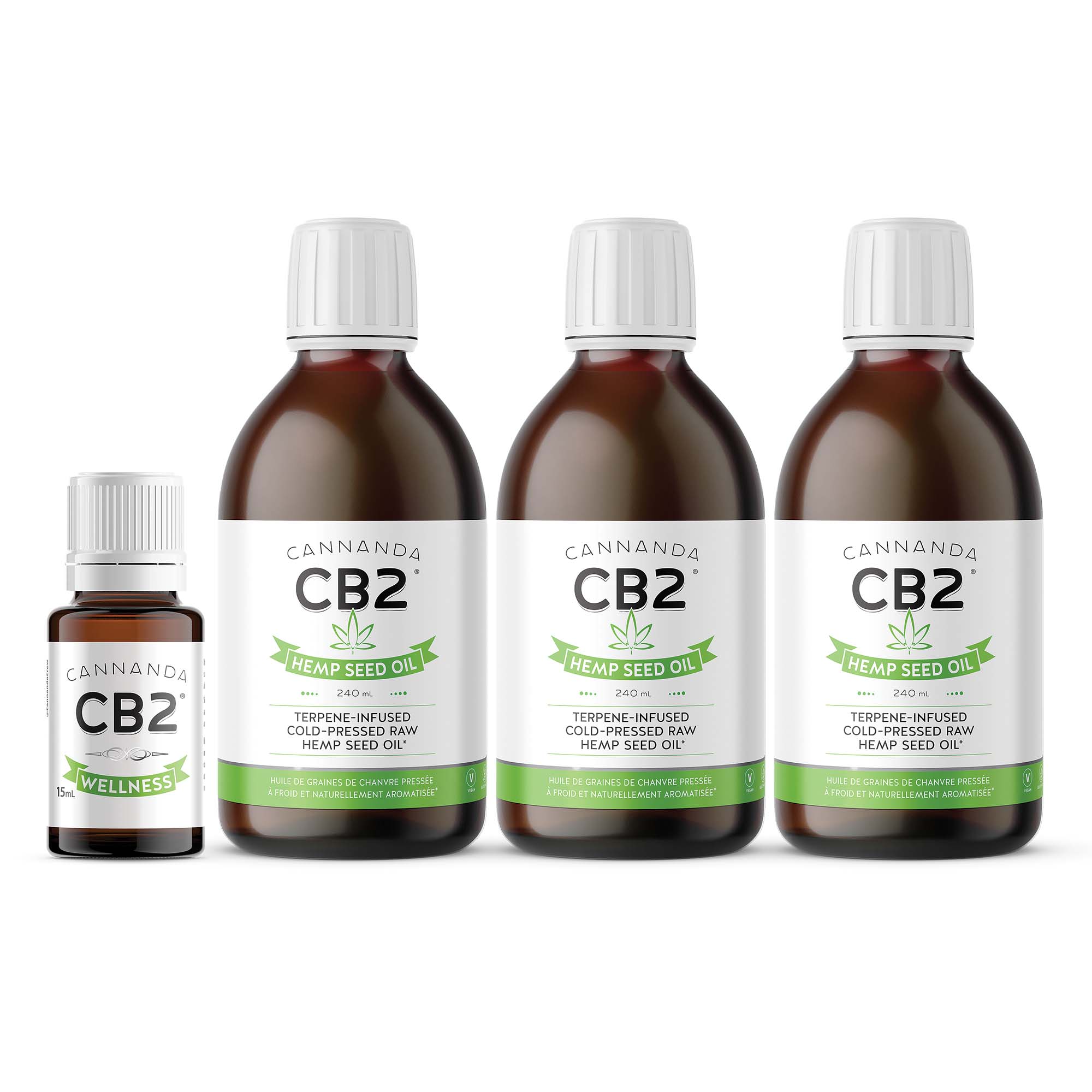
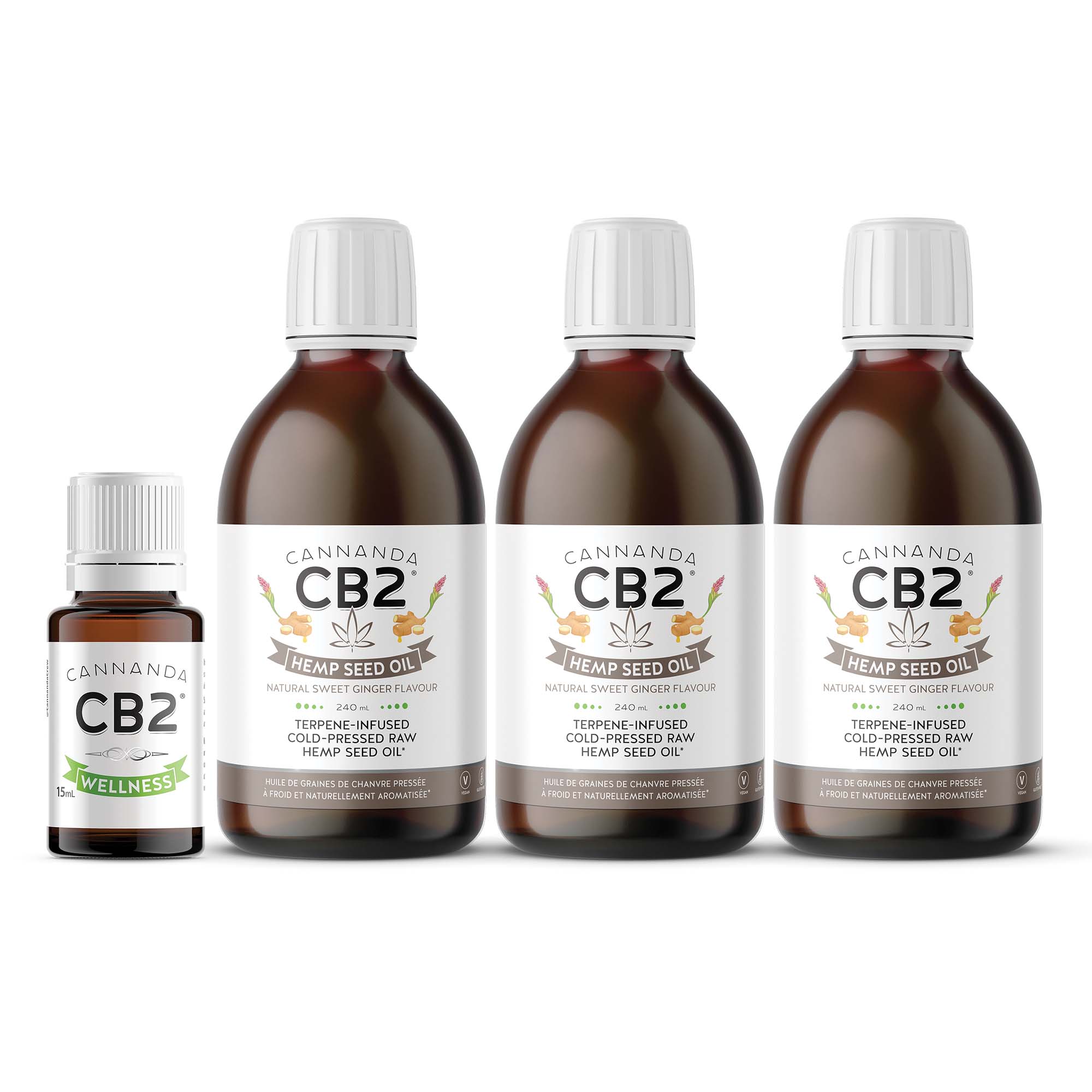
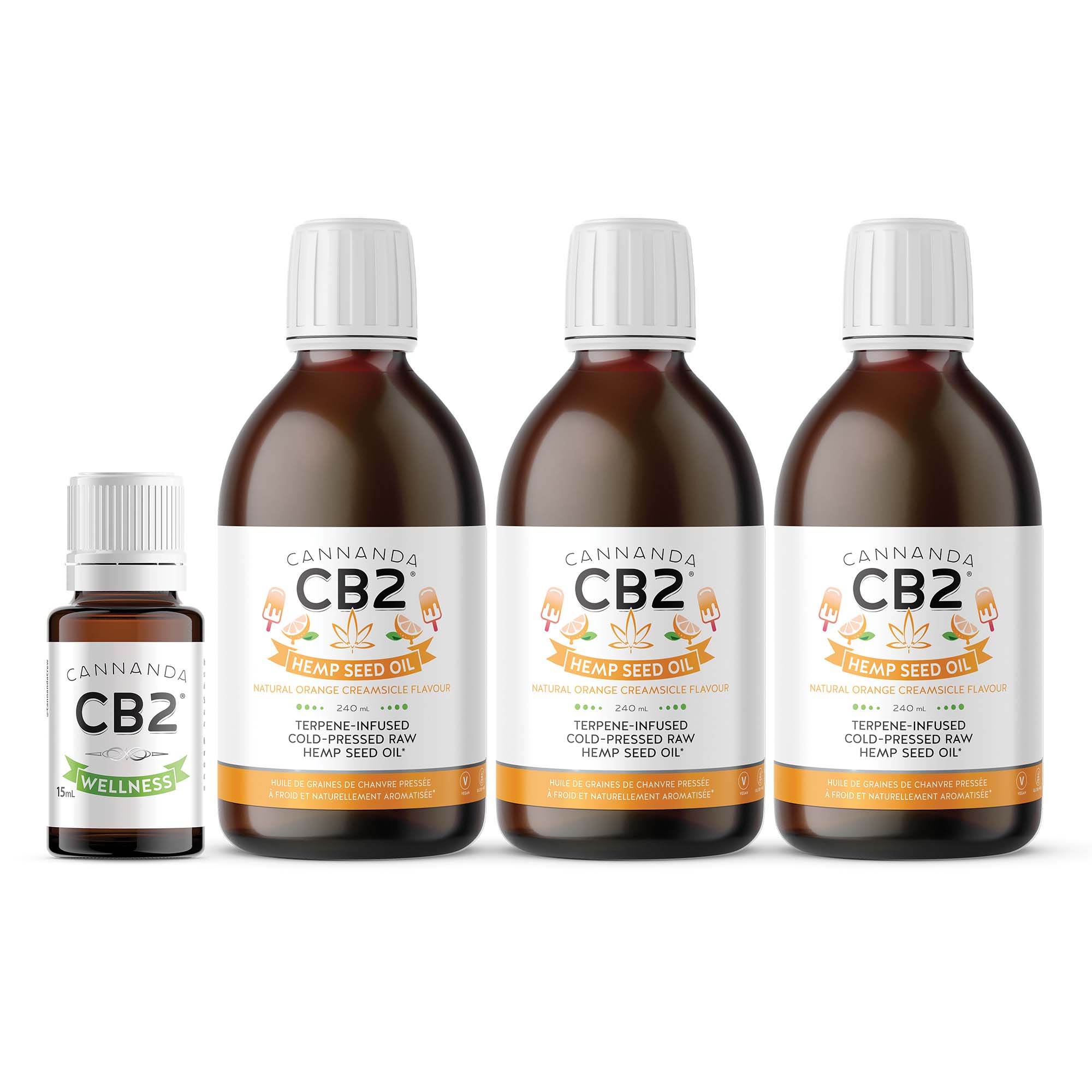
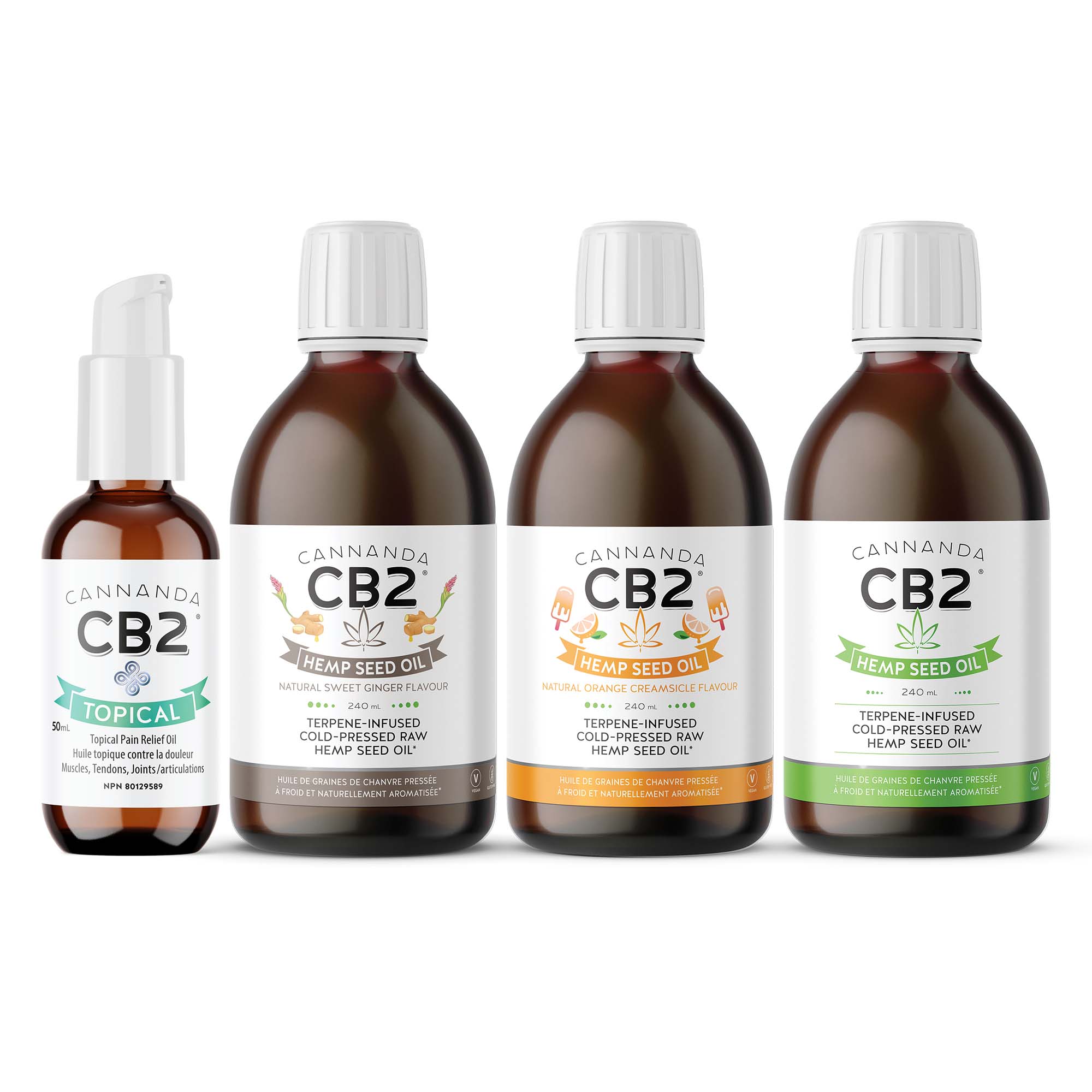
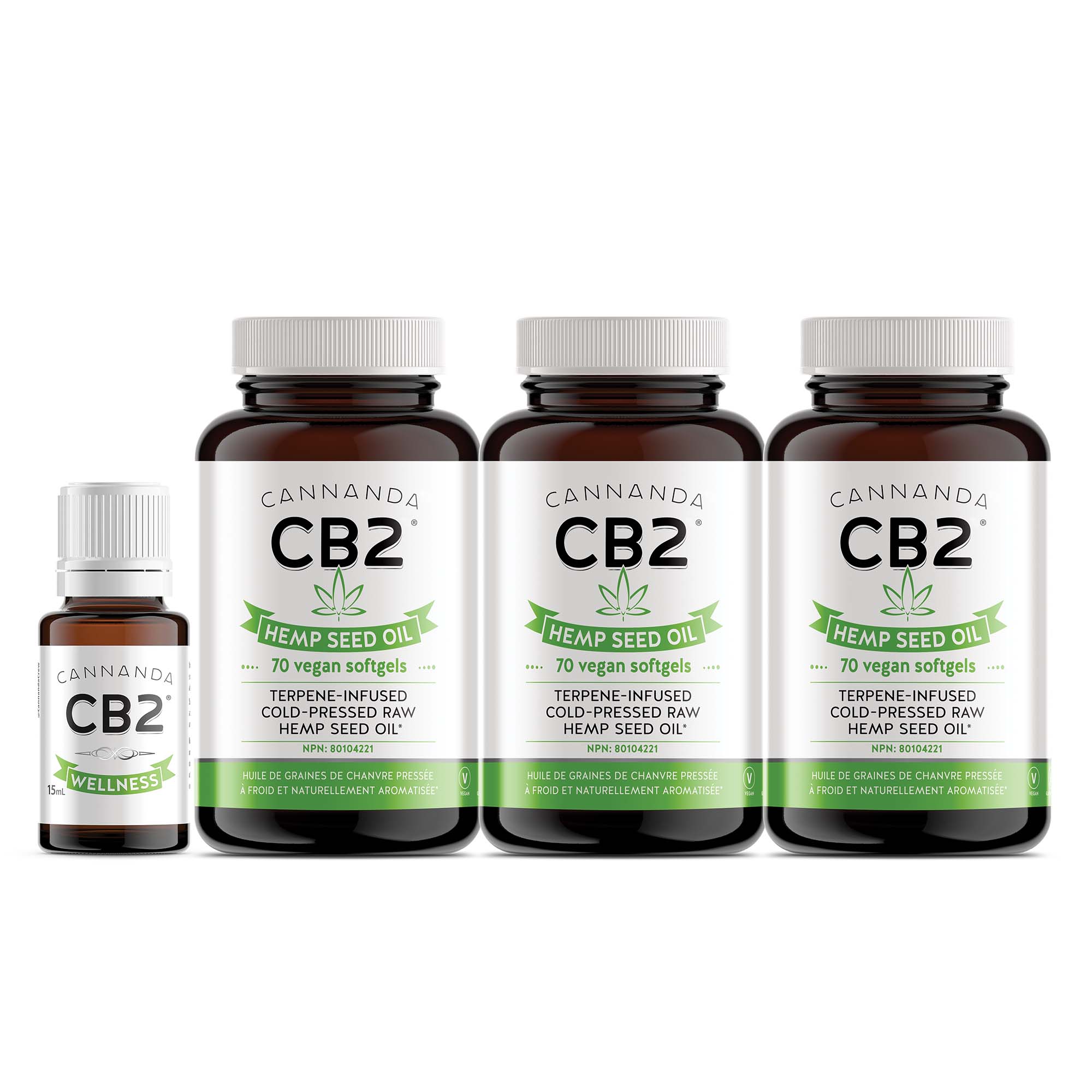
Take CB2 Hemp Seed Oil with meals daily. This provides consistent BCP for sustained CB2 receptor activation, MAGL inhibition, and anti-neuroinflammatory effects, plus hemp seed oil's omega-3 and omega-6 precursors for endocannabinoid production. Build up gradually to 60-120 mg BCP/day.
400-600mg/day split into morning and evening doses. Magnesium glycinate is best tolerated (least laxative effect). Start at 200mg and increase over 2 weeks. Takes 6-8 weeks to show full preventive effect. This is the single highest-value natural supplement for migraine prevention in the evidence base.
400mg/day with breakfast. Best for people with ≥4 migraine days per month. Expect 2-3 months before assessing impact. Turns urine yellow, this is normal. Low cost and well-tolerated.
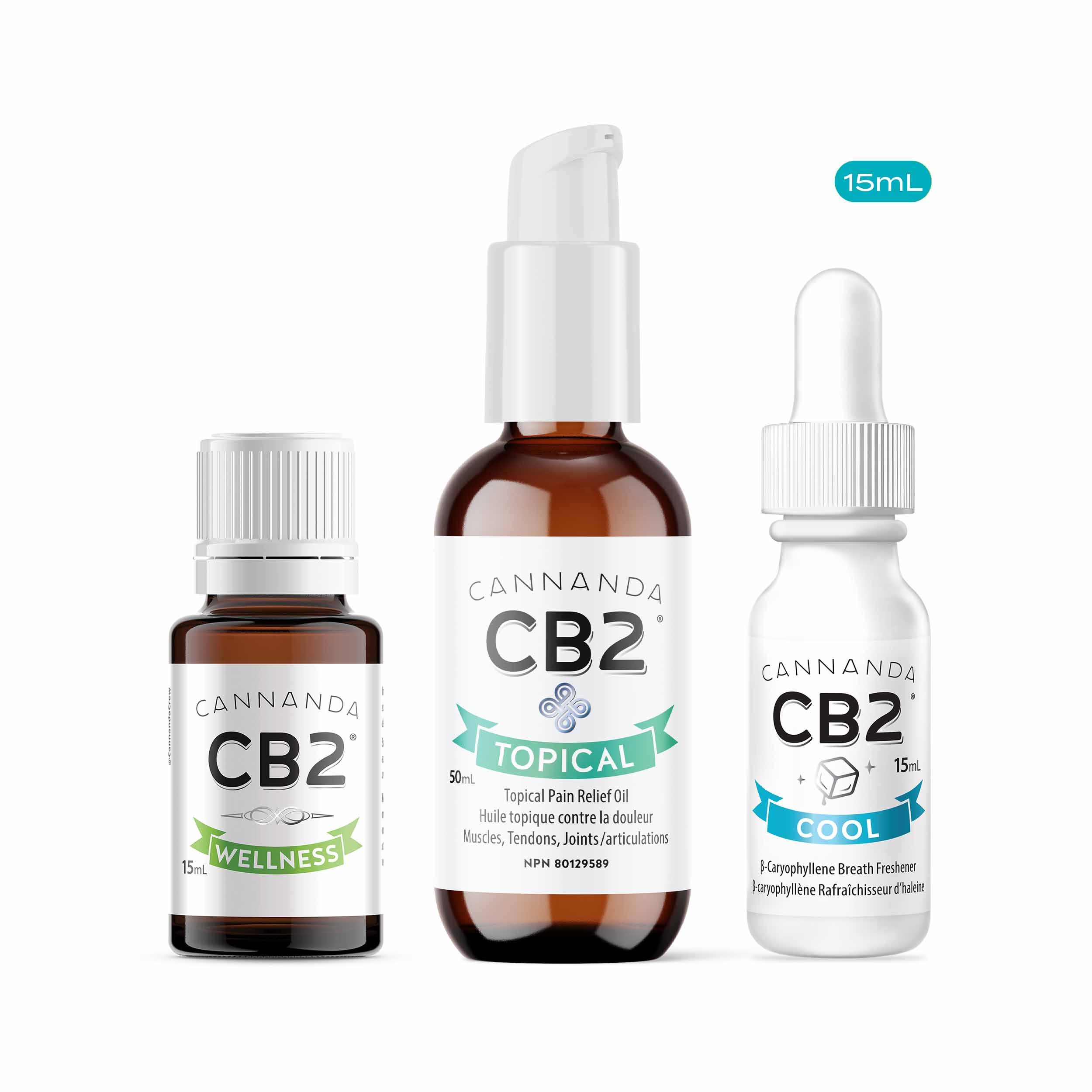
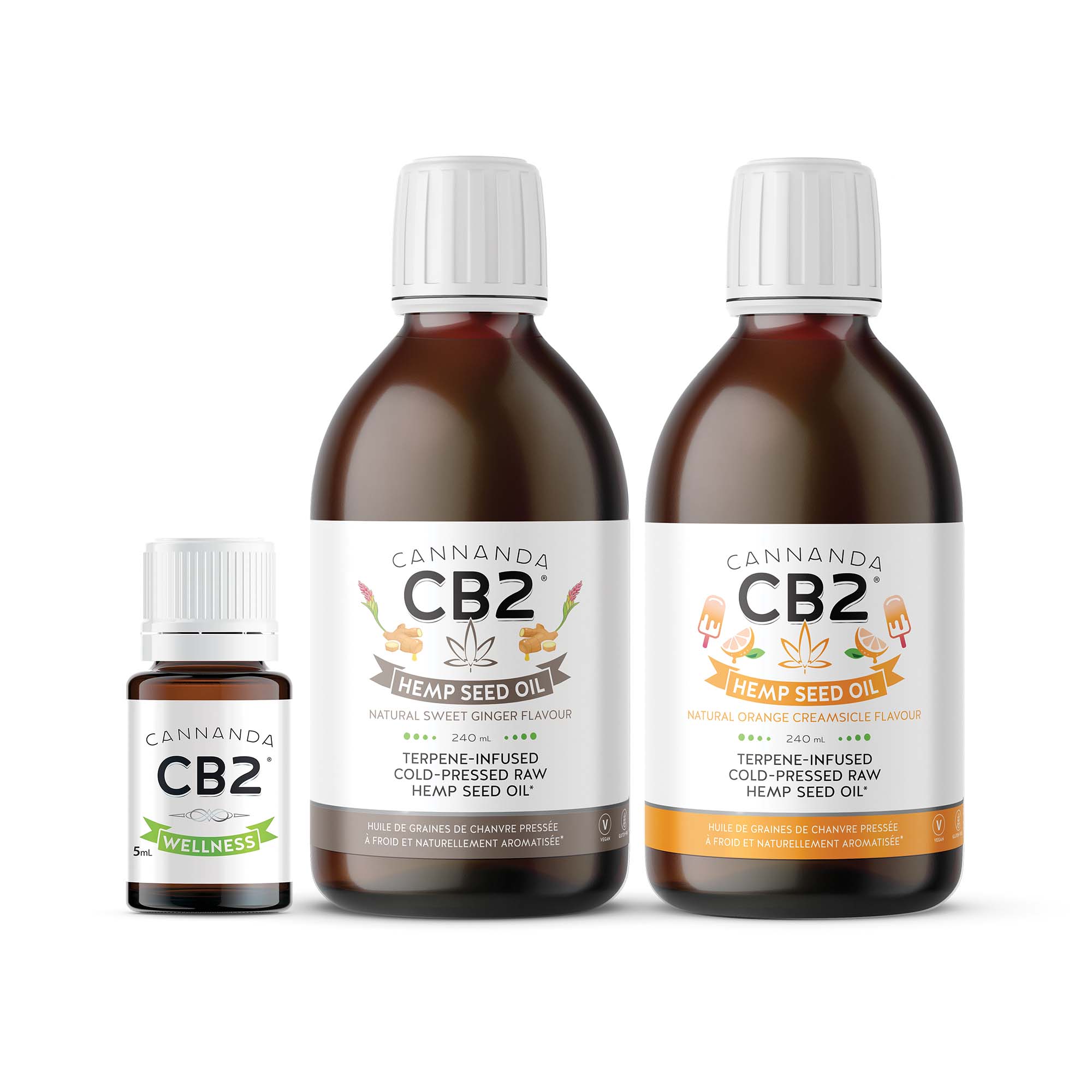
Take CB2 Wellness sublingually at the very first sign of a migraine (during prodrome or aura). Hold under the tongue for 60 seconds. The sublingual route absorbs faster than digestion, which matters for early-stage intervention when the neuroinflammatory cascade is still initiating.
Track: date/time, duration, severity (1-10), potential triggers (food, sleep, stress, weather, menstrual phase), medications taken. Patterns typically emerge within 4-6 weeks and identify your specific high-priority triggers. An app (Migraine Buddy, N1-Headache) makes this practical.
Both too little and too much sleep trigger migraines. A consistent sleep schedule, same wake time 7 days a week, is more protective than any supplement for sleep-triggered migraines. BCP's ECS-mediated sleep improvement compounds this effect over time.
Support your ECS. Reduce the neuroinflammatory load.
The world's first dietary cannabinoid. Direct CB2 activation. MAGL inhibition. No known drug interactions for most people. Taken at first onset by many migraine sufferers.
Frequently Asked Questions
Can CB2 oil help with migraines?
The mechanisms are highly relevant. BCP in Cannanda CB2 oil addresses migraine biology through two ECS mechanisms: direct CB2 receptor activation reducing neuroinflammation and CGRP-driven pain sensitization, and MAGL inhibition raising 2-AG endocannabinoid levels, directly relevant to the ECS deficiency documented in migraine patients. Many users report taking CB2 Wellness sublingually at earliest onset helps prevent attacks from progressing to full pain. Cannanda does not make approved disease claims for migraine.
What is the endocannabinoid connection to migraines?
Researcher Ethan Russo proposed the theory of clinical endocannabinoid deficiency (CECD), suggesting insufficient ECS tone underlies migraines, fibromyalgia, and IBS. Supporting evidence includes lower anandamide and 2-AG in cerebrospinal fluid of migraine patients, and ECS involvement in regulating CGRP, the primary neuropeptide driving migraine pain. BCP addresses this deficiency by directly activating CB2 receptors and inhibiting MAGL to raise 2-AG levels.
What is CGRP and how does it relate to migraine?
Calcitonin gene-related peptide (CGRP) is a neuropeptide released from trigeminal nerve endings during migraine attacks. It causes vasodilation, activates pain receptors, promotes neuroinflammation in the meninges, and is responsible for the throbbing, severe pain of migraine. The newest class of migraine medications (CGRP monoclonal antibodies) works by blocking CGRP or its receptor. CB2 receptor activation reduces CGRP release and downstream inflammatory signalling.
What natural supplements have the best evidence for migraine prevention?
The supplements with the strongest evidence are: magnesium (strongest overall, 400-600mg/day, Level A-B evidence), riboflavin B2 (400mg/day, Level B), CoQ10 (100-300mg/day, Level C), and high-dose EPA omega-3s (1.5-1.8g/day, recent RCT data showing 4+ fewer migraine days/month). Beta-caryophyllene addresses the underlying ECS deficiency and neuroinflammation through a mechanism complementary to these mitochondrial and vascular-focused supplements.
How does magnesium help with migraines?
Magnesium deficiency is present in 50% of migraine sufferers. It regulates NMDA glutamate receptors involved in cortical spreading depression (the electrical wave triggering migraine), reduces platelet aggregation, modulates serotonin receptors, and affects vascular smooth muscle. Magnesium supplementation (400-600mg/day of glycinate or citrate) is the single most evidence-backed natural intervention for migraine prevention and is endorsed by major neurology guidelines.
What is MAGL inhibition and why does it matter for migraines?
MAGL (monoacylglycerol lipase) is the enzyme that breaks down 2-AG, a primary endocannabinoid. Inhibiting MAGL raises 2-AG levels. A 2024 study in Molecular Pharmacology found BCP inhibits MAGL and raises 2-AG in vivo, a significant finding because 2-AG is measurably deficient in migraine patients. This means BCP addresses migraine ECS deficiency through two pathways: direct CB2 activation and raising endogenous 2-AG by slowing its breakdown.
Can stress cause migraines?
Yes, stress is one of the most consistently reported migraine triggers. HPA axis activation depletes magnesium, elevates cortisol and inflammatory signalling, increases CGRP release, and reduces ECS tone, all of which lower the migraine threshold. BCP's anxiolytic effects through CB2 receptor activation may reduce the neuroinflammatory consequences of stress that make migraines more likely.
Is CB2 oil safe to use alongside migraine medications?
CB2 oil has no documented adverse drug interactions at Cannanda's recommended doses, and it is not metabolized through the CYP450 pathway, making it generally safe alongside triptans, topiramate, amitriptyline, beta-blockers, and CGRP monoclonal antibodies. The one exception is medications with a narrow therapeutic window, where you should check with your doctor before use. Always inform your healthcare provider about supplements you are taking alongside prescription medications.
How long does it take natural approaches to reduce migraine frequency?
Most natural preventive approaches require 6-12 weeks of consistent daily use to show meaningful reduction in migraine frequency, the same timeframe as pharmaceutical preventives. Magnesium and riboflavin studies typically measure outcomes at 3 months. BCP may provide acute benefit when taken at the earliest signs of migraine onset, while its preventive benefits build over weeks of daily use through sustained reduction of neuroinflammatory tone.
References
- Russo, E. B. (2016). Clinical endocannabinoid deficiency reconsidered: current research supports the theory in migraine, fibromyalgia, irritable bowel, and other treatment-resistant syndromes. Cannabis and Cannabinoid Research, 1(1), 154-165.
- Keck, J., et al. (Todorovic lab, University of Colorado). (2024). β-Caryophyllene inhibits monoacylglycerol lipase activity and increases 2-arachidonoyl glycerol levels in vivo: a new mechanism of endocannabinoid-mediated analgesia? Molecular Pharmacology, 105(2), 75. https://doi.org/10.1124/molpharm.123.000668
- Klauke, A.-L., et al. (2014). The cannabinoid CB2 receptor-selective phytocannabinoid beta-caryophyllene exerts analgesic effects in mouse models of inflammatory and neuropathic pain. European Journal of Neuropsychopharmacology, 24(4), 608-620.
- Gertsch, J., et al. (2008). Beta-caryophyllene is a dietary cannabinoid. PNAS, 105(26), 9099-9104.
- Schoenen, J., et al. (1998). Effectiveness of high-dose riboflavin in migraine prophylaxis. A randomized controlled trial. Neurology, 50(2), 466-470.
- Peikert, A., et al. (1996). Prophylaxis of migraine with oral magnesium: results from a prospective, multi-center, placebo-controlled and double-blind randomized study. Cephalalgia, 16(4), 257-263.
- Sándor, P. S., et al. (2005). Efficacy of coenzyme Q10 in migraine prophylaxis: a randomized controlled trial. Neurology, 64(4), 713-715.
- Ramsden, C. E., et al. (2021). Dietary alteration of n-3 and n-6 fatty acids for headache reduction in adults with migraine: randomized controlled trial. BMJ, 374, n1448.
- Parohan, M., et al. (2021). The synergistic effects of nano-curcumin and coenzyme Q10 supplementation in migraine prophylaxis. Nutritional Neuroscience, 24(4), 317-326.
- Silberstein, S. D., et al. (2012). Evidence-based guideline update: pharmacologic treatment for episodic migraine prevention in adults. Report of the Quality Standards Subcommittee of the American Academy of Neurology and the American Headache Society. Neurology, 78(17), 1337-1345.
- Rom, S. & Persidsky, Y. (2013). Cannabinoid Receptor 2: Potential Role in Immunomodulation and Neuroinflammation. Journal of Neuroimmune Pharmacology, 8, 608-620.