CB2 Oil vs. Other Oils: Which is Best for Immune Modulation and Fibromyalgia?
Comparing the evidence across CB2 oil, CBD oil, fish oil, evening primrose, and turmeric for fibromyalgia, and why targeted CB2 receptor activation stands apart.
You're managing fibromyalgia and you've heard that immune modulation may be relevant. You've seen various oils recommended and want to know which has the strongest rationale, and which might actually help, rather than sifting through marketing claims on your own.
Fibromyalgia is increasingly understood as involving immune dysregulation and neuroinflammation, which makes immune-modulating approaches more relevant than purely symptomatic pain management. Among the oils commonly discussed, Cannanda CB2 oil stands out because beta-caryophyllene (BCP) directly activates CB2 receptors in immune tissue, the most targeted approach available. CBD oil, fish oil, evening primrose, and turmeric each offer anti-inflammatory benefits but none activates CB2 receptors directly. CB2 oil also leads on safety: GRAS-status ingredients, 0% THC, a clean drug interaction profile for most people, and a reported 60-70% efficacy rate versus CBD's ~33%.
In the quest to manage fibromyalgia symptoms, especially its potential autoimmune aspects, immune modulators are gaining attention. Beta-caryophyllene (BCP) is a notable compound for its immune-modulating properties, prominently featured in Cannanda CB2 oil. This article compares CB2 oil with other commonly recommended oils and immune modulators to help you determine which might be the best option for fibromyalgia.
Understanding fibromyalgia and why immune modulation matters
Fibromyalgia involves chronic widespread pain, fatigue, cognitive difficulties (often called "fibro fog"), and sleep disturbances. For a long time it was treated purely as a central nervous system sensitization problem. Recent research has complicated that picture.
Studies now indicate that fibromyalgia may have a significant autoimmune component, with abnormal immune cell activity, elevated pro-inflammatory cytokines, and autoantibodies found in fibromyalgia patients. This opens up new avenues for treatment: rather than only suppressing pain signals, targeting the immune dysregulation underlying symptom development may offer more meaningful, sustained relief.
CB2 receptors, the target of beta-caryophyllene, are concentrated in immune cells and peripheral tissues. That's not a coincidence. It's the biological reason CB2 receptor activation is worth examining specifically for a condition with an immune component.
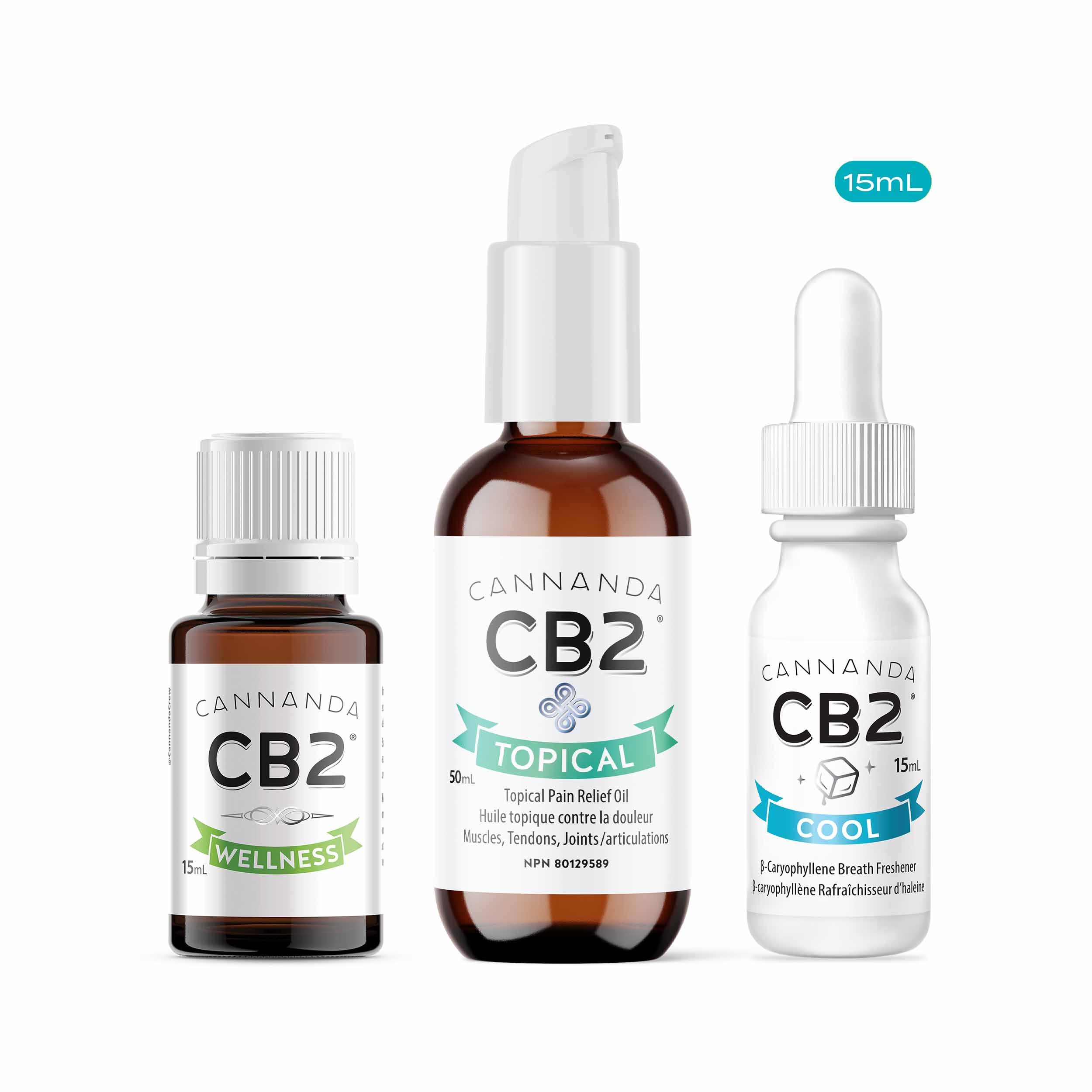
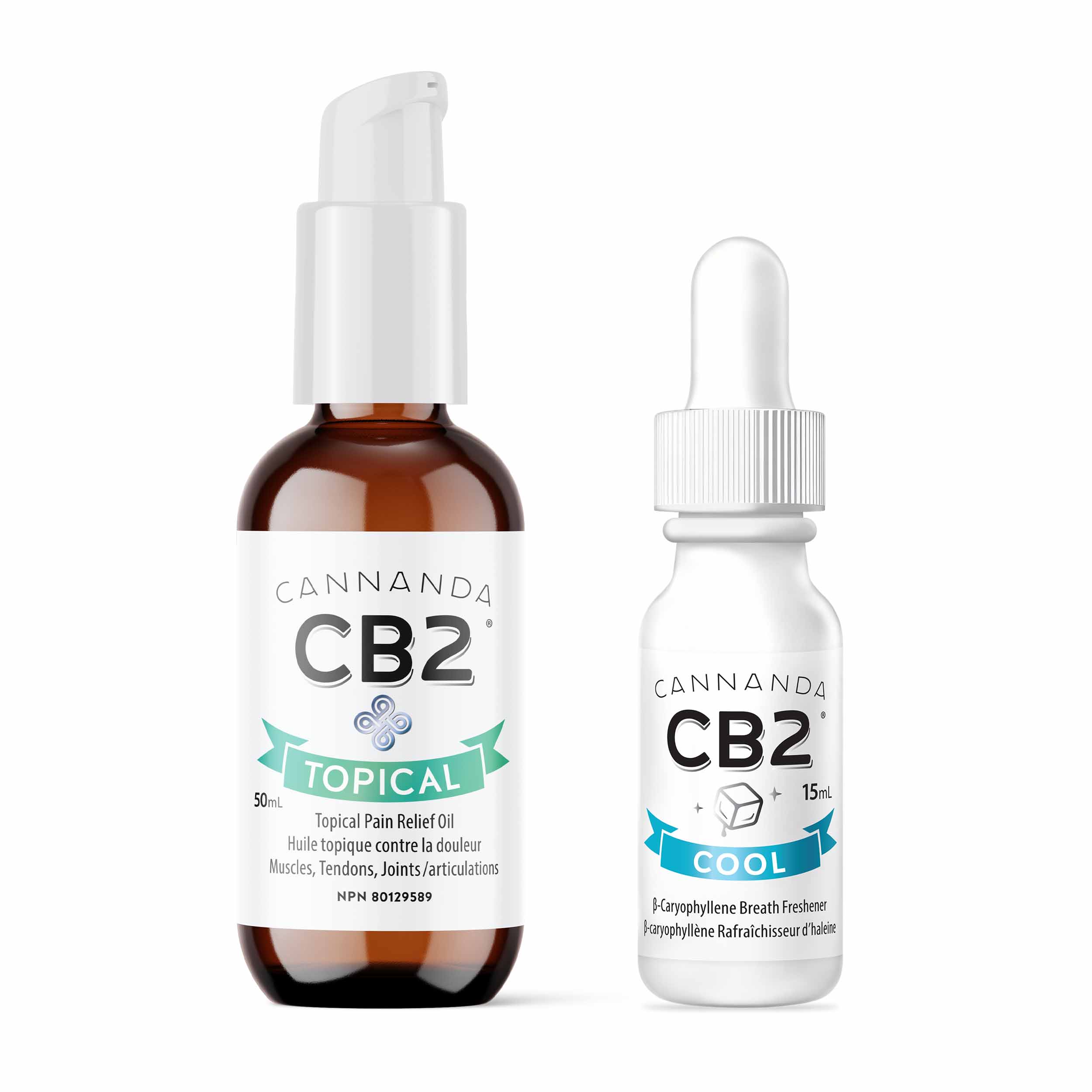
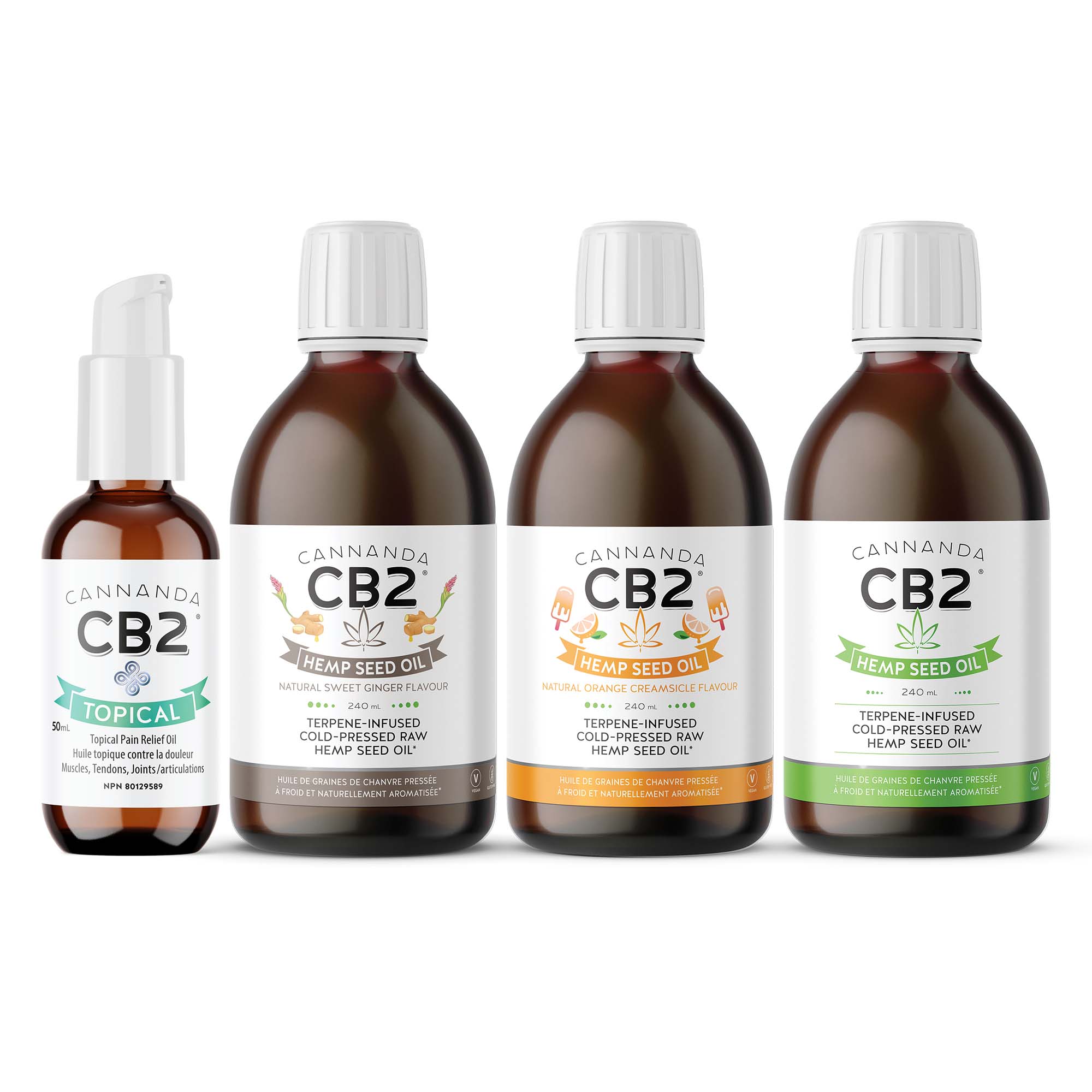
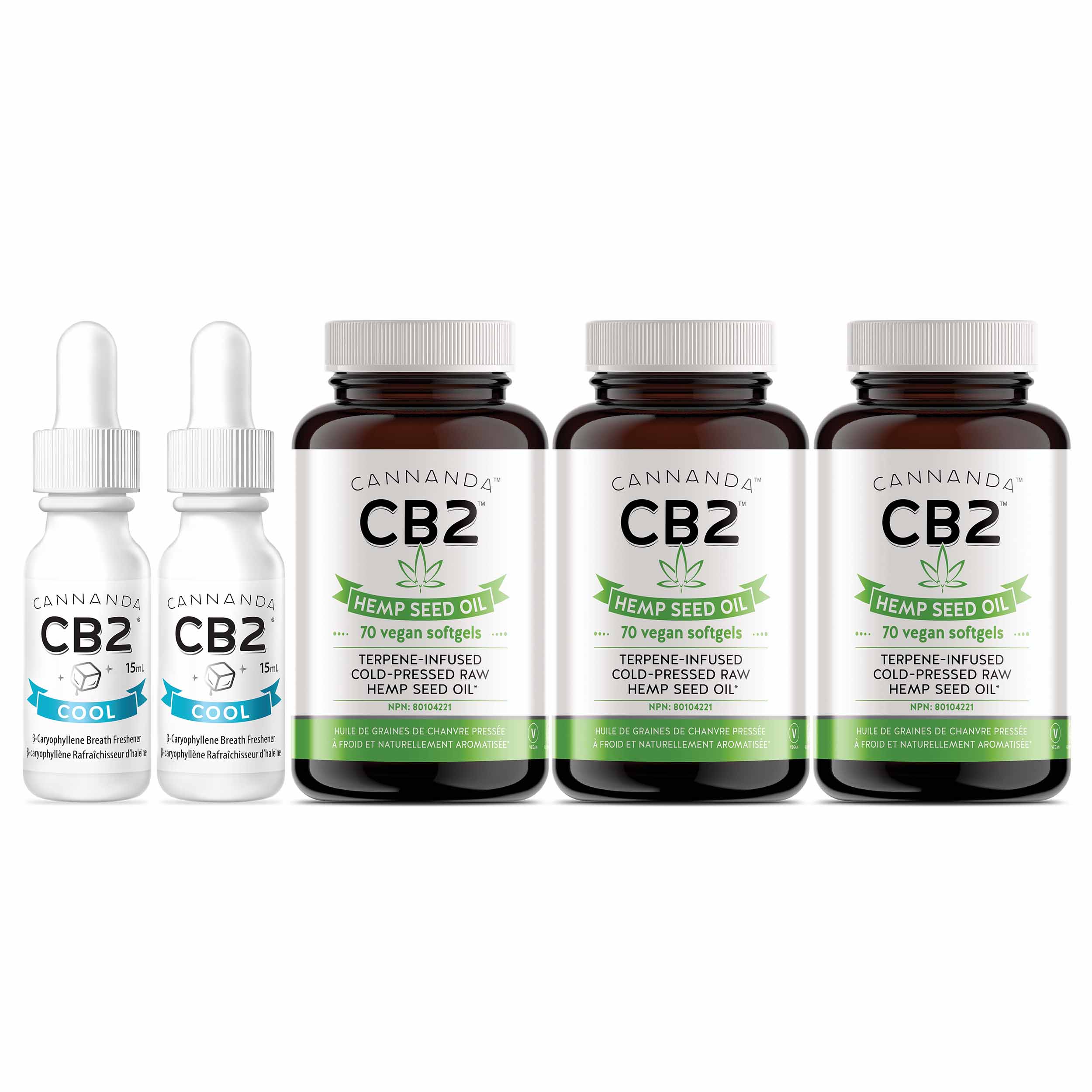
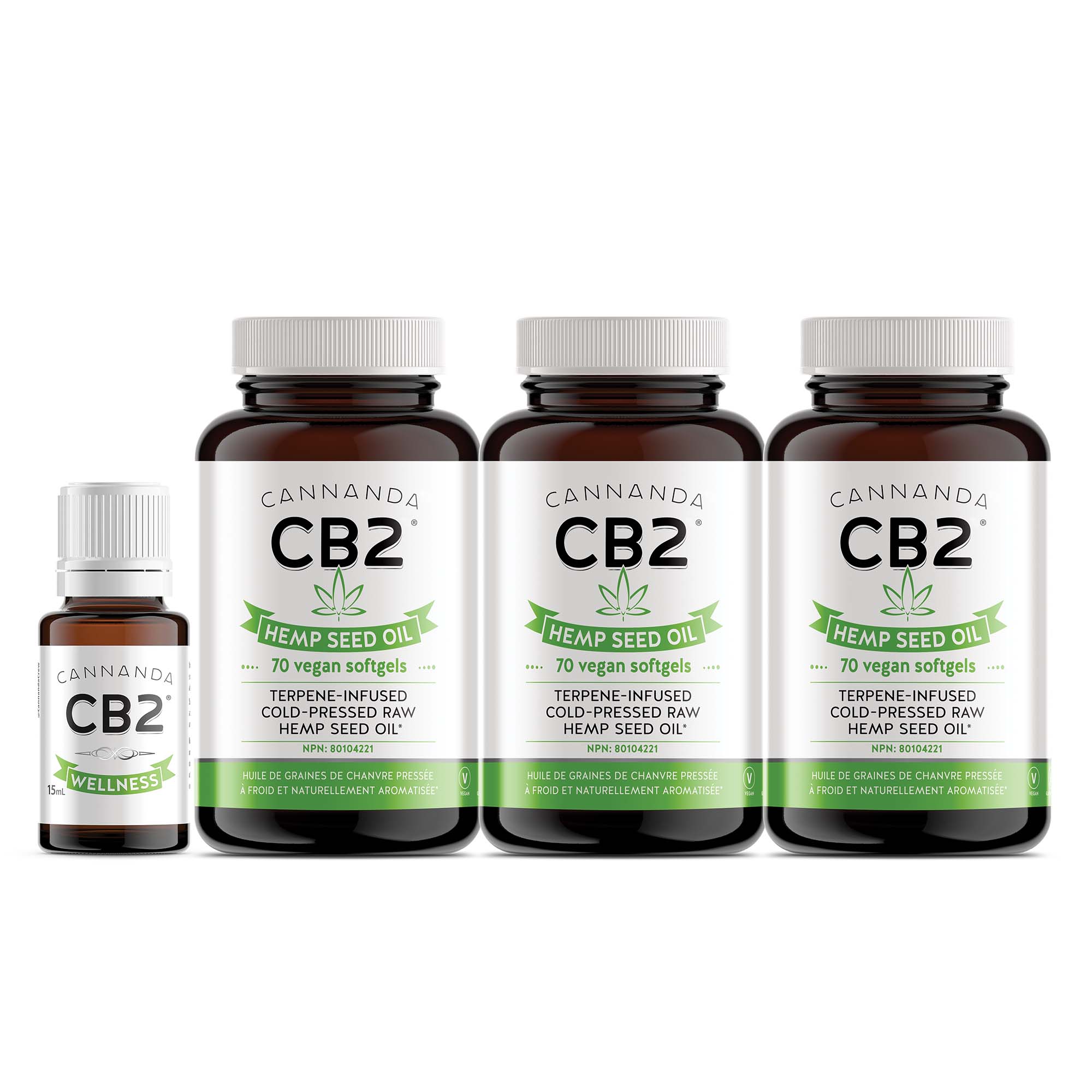
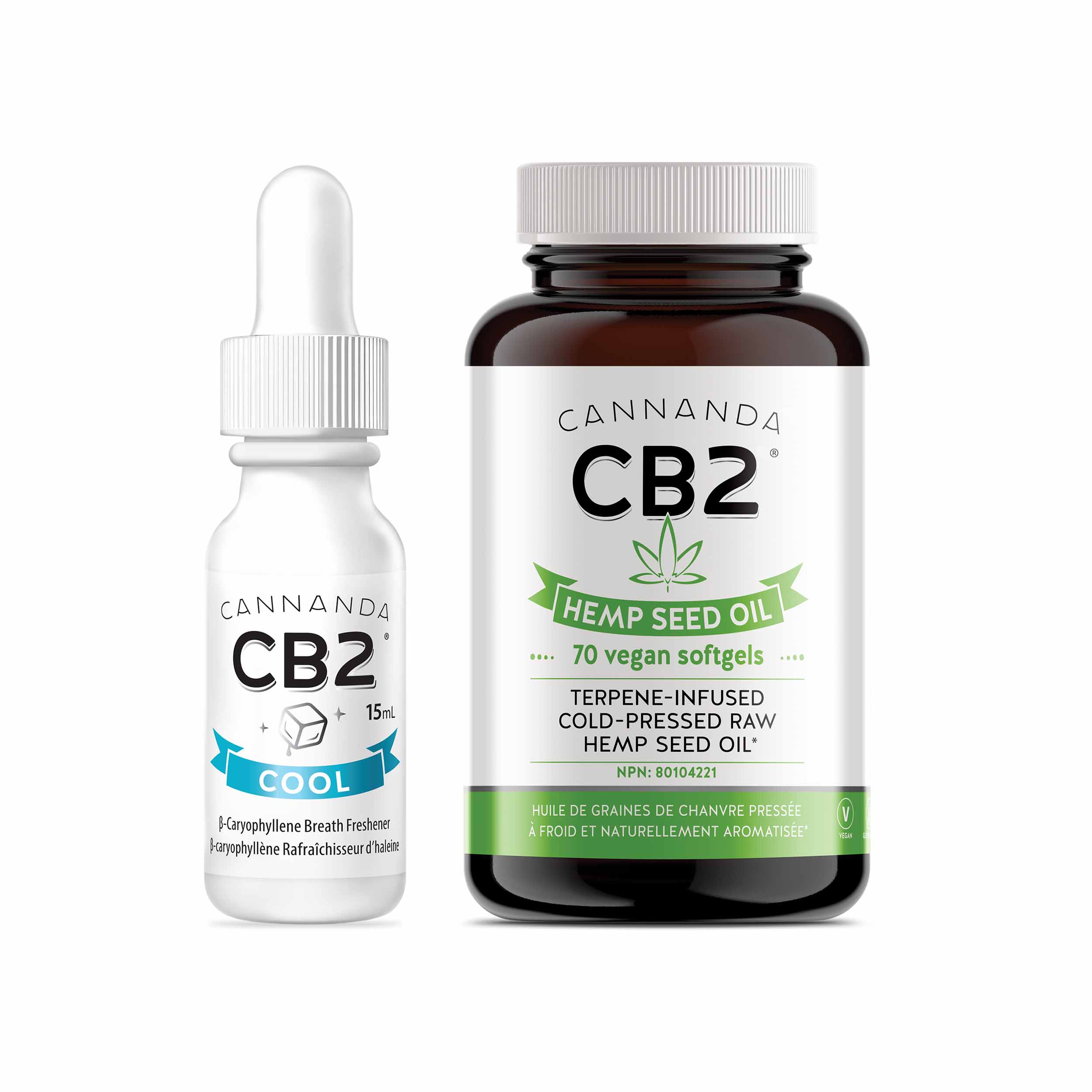
What sets Cannanda CB2 oil apart
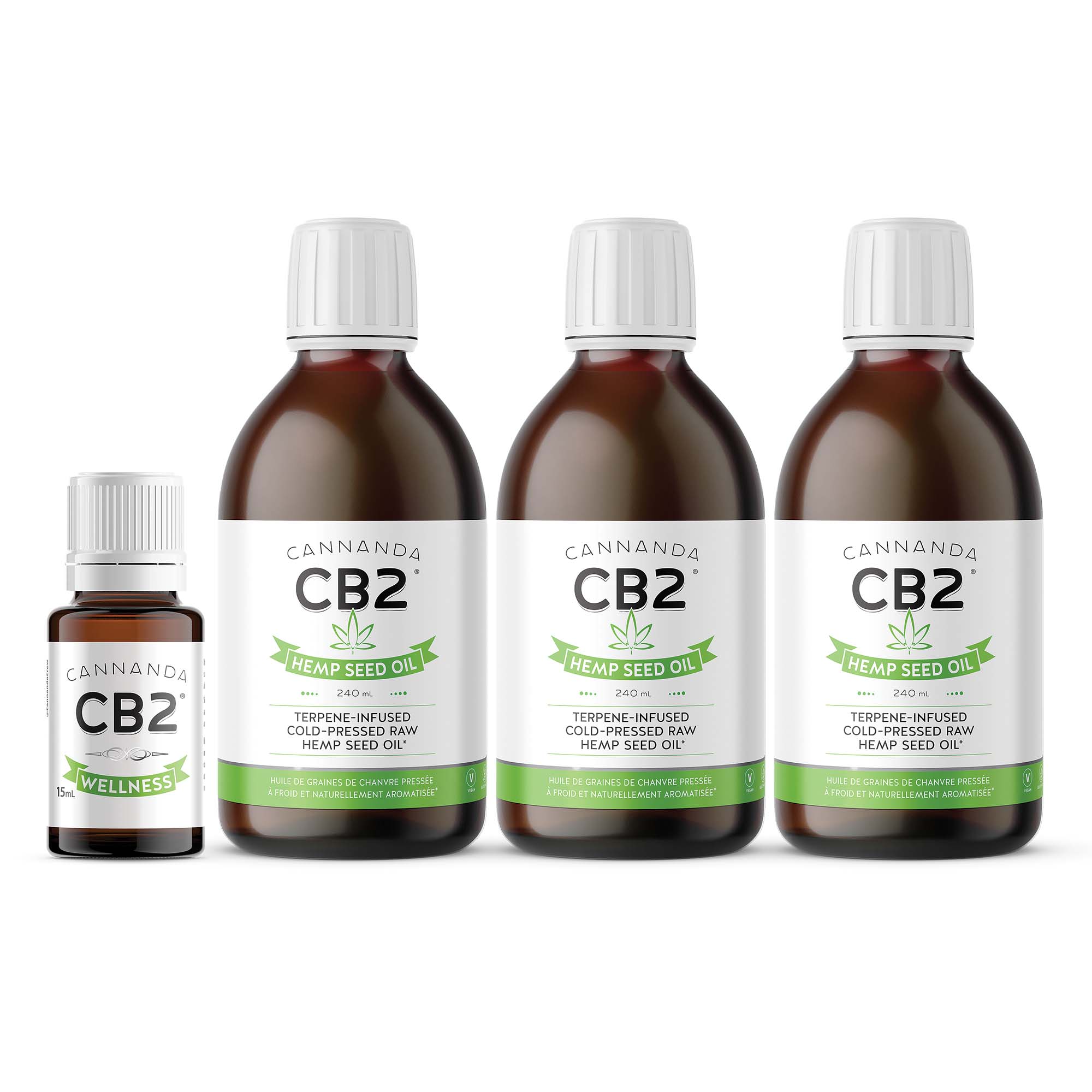
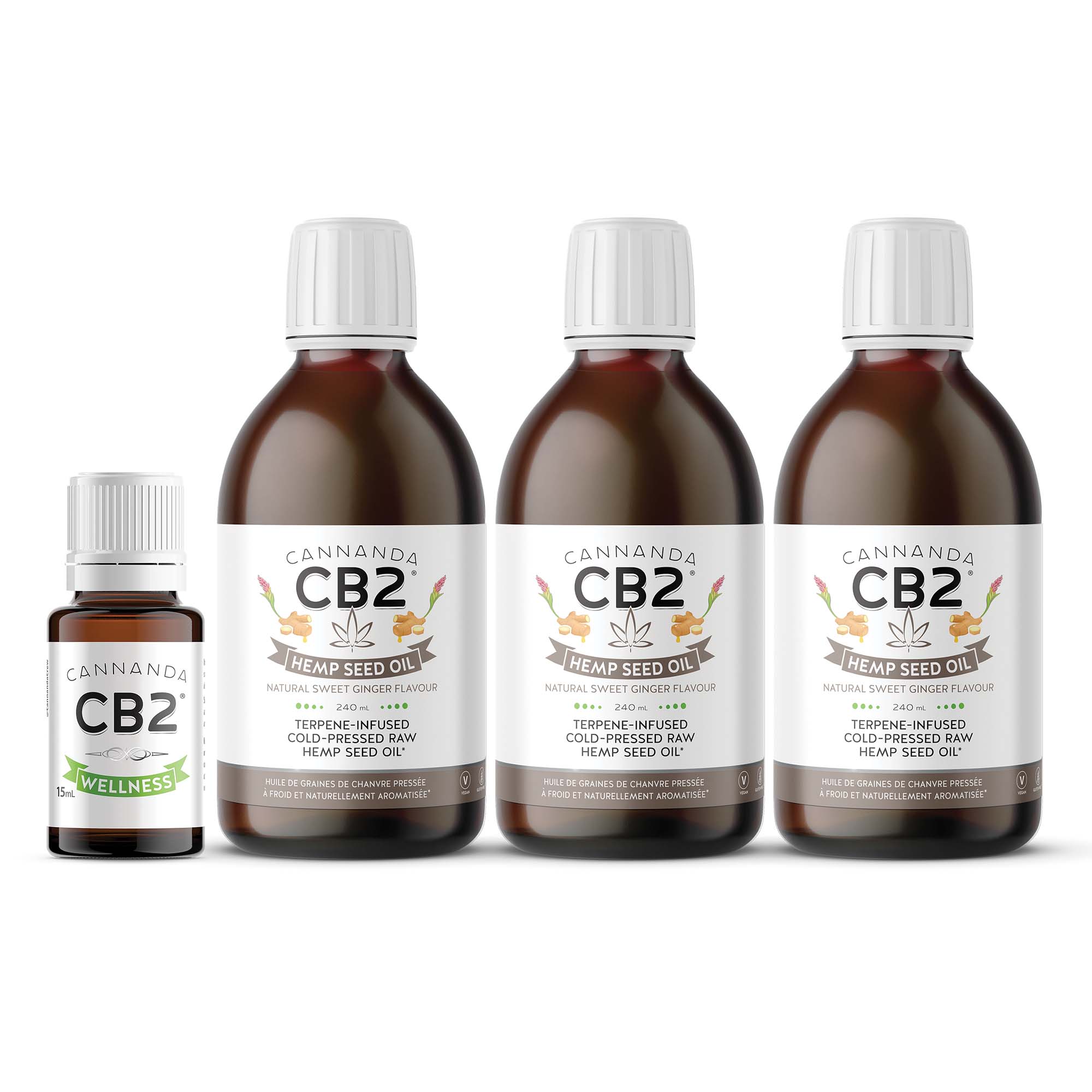
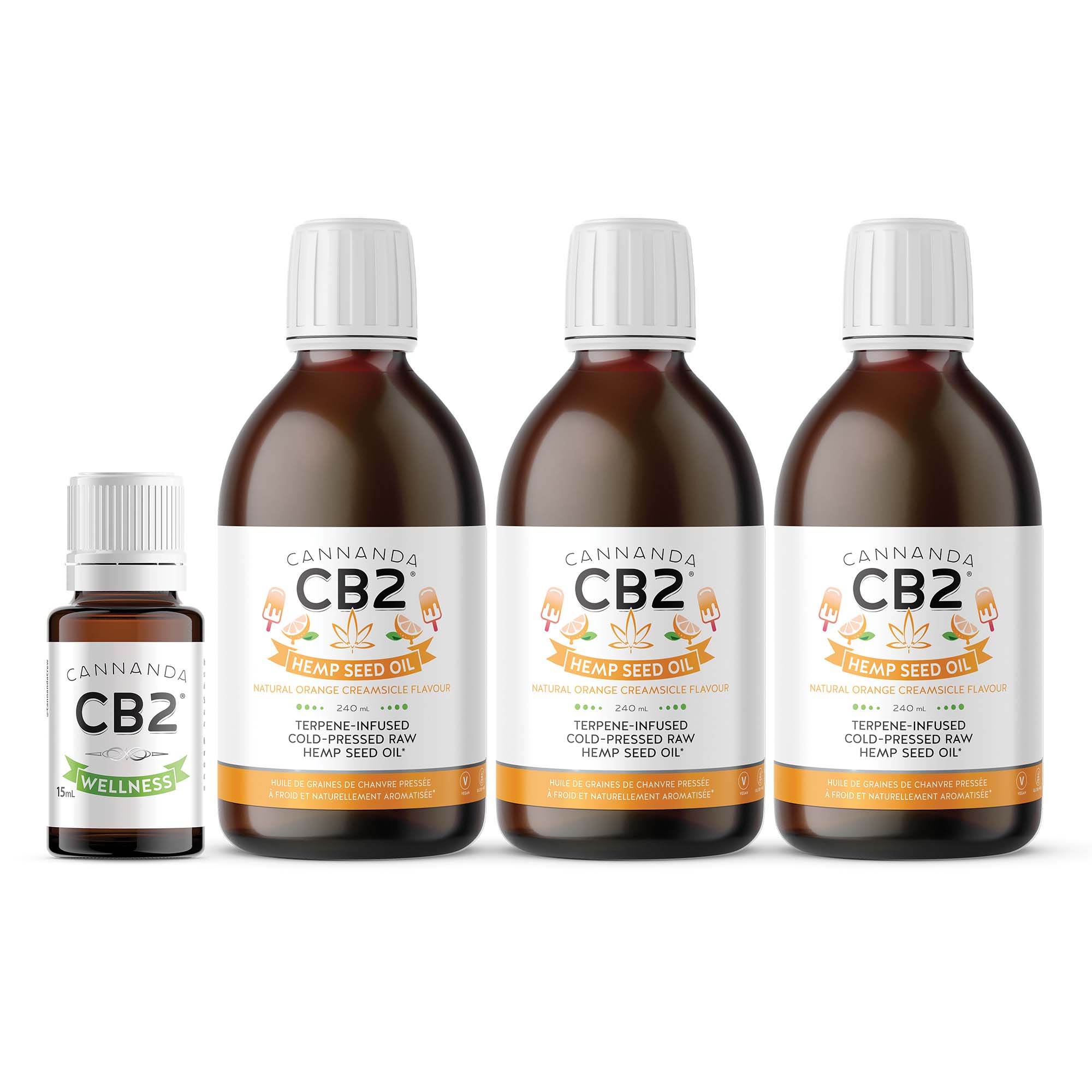
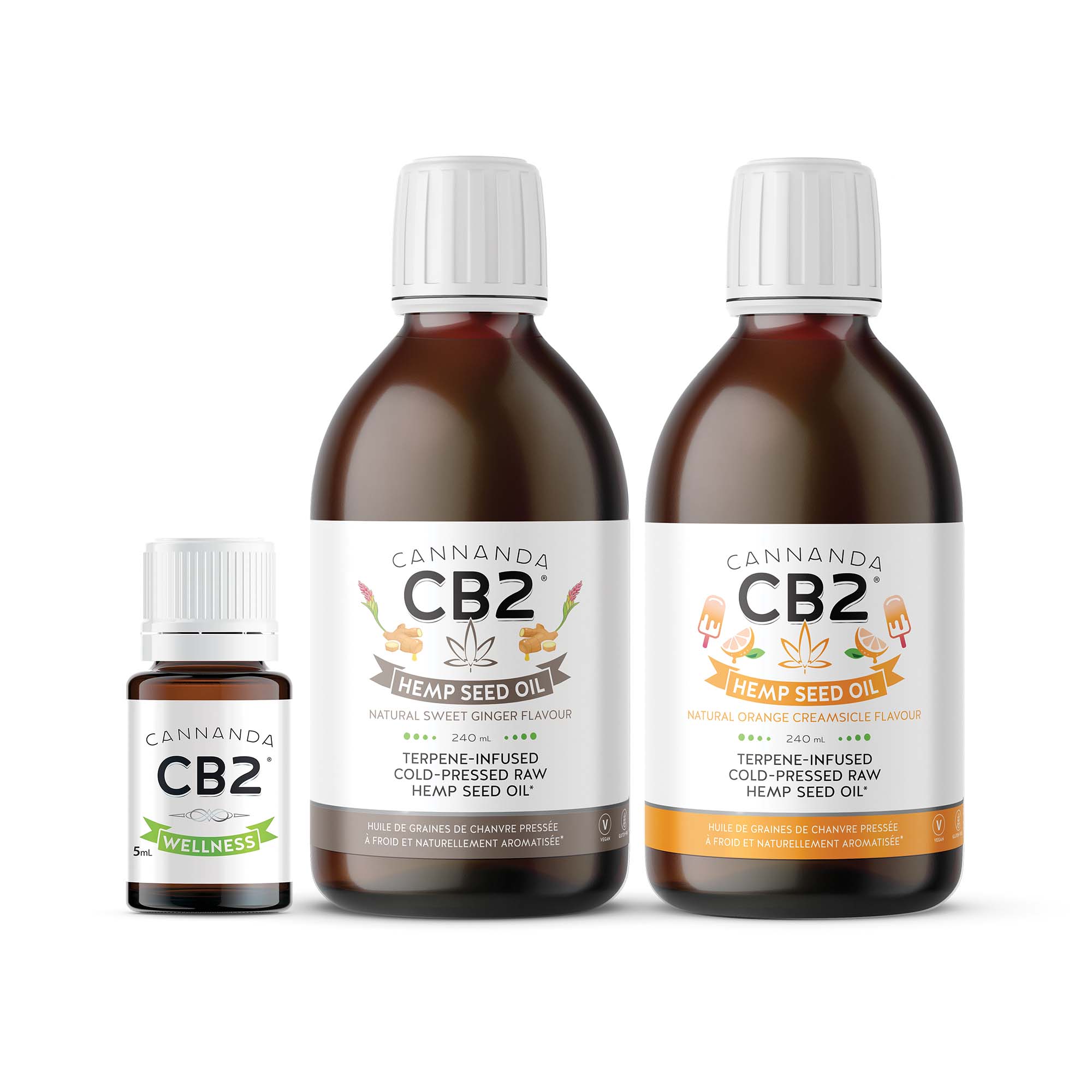
Contains a potent dose of beta-caryophyllene, a natural terpene from oranges, pine, clove, and sage that directly targets CB2 receptors. CB2 receptors play a critical role in immune regulation and inflammation control, the specific pathways implicated in fibromyalgia's autoimmune component.
Unlike THC, another compound that can activate CB2 receptors, BCP is non-intoxicating. It selectively binds CB2, not CB1, producing no psychoactive effects and no impairment. Safe for daily use without altering mental state.
Sourced from the essential oils of botanicals. Free from synthetic additives, THC, and CBD. All ingredients carry FDA GRAS (Generally Recognized As Safe) status as food ingredients.
BCP reduces inflammation and pain, the key symptoms of fibromyalgia, by modulating immune function and reducing cytokine production. This is a mechanistic fit, not a general wellness claim.
Comparing CB2 oil to other immune-modulating oils
Here's how CB2 oil stacks up against the most commonly discussed options, first in table form, then in detail.
| Factor | Other oils | Cannanda CB2 oil |
|---|---|---|
| Activates CB2 receptors directly | No | Yes, via BCP |
| Targeted immune modulation | General anti-inflammatory only | Yes, CB2 receptor-mediated |
| Drug test risk | CBD: yes; others: no | None, 0% THC, 0% CBD |
| Drug interactions | CBD: yes (CYP450) | None documented at recommended doses (narrow therapeutic window medications are the exception) |
| FDA GRAS status | CBD: no; others: yes | Yes, all ingredients |
| Reported efficacy | CBD ~33% | ~60-70% |
| Intoxicating | CBD: no; THC: yes | No |
| Bioavailability issues | CBD and curcumin: significant | Good, lipophilic, absorbs efficiently |
CBD is widely studied for pain relief and anti-inflammatory effects, and it may help with the anxiety that often accompanies fibromyalgia. It works through the endocannabinoid system, but unlike BCP it does not directly activate CB2 receptors, its mechanism is indirect and more varied.
Fish oil is well-established for its general anti-inflammatory properties through omega-3 fatty acids (EPA and DHA). It benefits cardiovascular health and supports overall wellness. However, it does not target CB2 receptors and provides broad anti-inflammatory action rather than the specific immune modulation relevant to fibromyalgia's suspected autoimmune component. Cannanda CB2 Hemp Seed Oil is actually an excellent plant-based source of omega-3, 6, and 9 alongside its BCP content.
Evening primrose oil contains gamma-linolenic acid (GLA), which has anti-inflammatory properties and can help with skin conditions and hormone regulation. It has limited evidence specifically for fibromyalgia, and its effects are less pronounced than BCP for targeted immune modulation. It may have some relevance for hormonal aspects of pain in perimenopausal women with fibromyalgia.
Turmeric contains curcumin, a potent anti-inflammatory with antioxidant properties. It has genuine anti-inflammatory evidence. Its major limitation is bioavailability, curcumin is poorly absorbed and requires co-administration with piperine or lipid formulations to achieve meaningful blood levels. It provides general inflammation reduction rather than targeted immune modulation through CB2 receptors.
Scientific backing for CB2 oil in fibromyalgia
The studies are very promising across three mechanisms directly relevant to fibromyalgia:
- Anti-inflammatory effects: BCP reduces inflammation through CB2 receptor action in animal models of arthritis and colitis. Reduced inflammation directly alleviates the tissue-level pain component of fibromyalgia. (Gertsch et al., 2008)
- Pain relief: BCP showed analgesic effects in models of chronic pain through CB2 receptor-dependent mechanisms (Ibrahim et al., 2005). Klauke et al. (2014) confirmed no tolerance develops over prolonged treatment.
- Neuroprotection and fibro fog: BCP provided neuroprotective effects in models of neuroinflammation and neurodegeneration (Chun et al., 2013), relevant to the cognitive symptoms fibromyalgia patients commonly report.
- Immune modulation: Activating CB2 receptors has immune-modulating effects in various autoimmune conditions (Rom & Persidsky, 2013), directly relevant to fibromyalgia's emerging autoimmune characterization.
Considerations when choosing CB2 oil
Like any supplement, individual responses to CB2 oil vary. Cannanda's reported 60-70% success rate compares favourably to CBD's ~33%, but no natural product works for everyone. Start with the recommended dose and give it 2-4 weeks of consistent use before assessing results.
CB2 oil has no known adverse drug interactions at recommended doses for most people, unlike CBD, making it generally safe to use alongside fibromyalgia medications including duloxetine, pregabalin, and NSAIDs without concern about enzyme pathway competition. The one exception is medications with a narrow therapeutic window, where you should check with your doctor before adding BCP.
Some countries, particularly Australia, are experiencing an influx of fake CB2 oils using the CB2 brand name without authorisation. Counterfeit products have been found to contain heavy metals, pesticide residues, and less BCP than labelled. Always purchase authentic Cannanda CB2 products, the Cannanda CB2® trademark must be clearly visible on the front label.
The most targeted option for fibromyalgia immune support
Direct CB2 receptor activation. No drug interactions for most people. GRAS-status ingredients. 60-70% reported efficacy.
Shop CB2 Oil for FibromyalgiaFrequently Asked Questions
Is CB2 oil better than CBD oil for fibromyalgia?
CB2 oil has several meaningful advantages for fibromyalgia specifically. Beta-caryophyllene directly activates CB2 receptors concentrated in immune tissue, providing more targeted immune modulation than CBD's indirect ECS effects. CB2 oil has a reported 60-70% success rate versus CBD's ~33%. It also has no known drug interactions at recommended doses for most people, no THC contamination risk, and GRAS food-ingredient status that CBD lacks. For a full comparison, see our CB2 oil vs CBD oil guide.
What makes CB2 receptors important for fibromyalgia?
CB2 receptors are concentrated in immune cells and peripheral tissues. Research increasingly suggests fibromyalgia has an autoimmune component involving immune dysregulation, neuroinflammation, and abnormal cytokine production. CB2 receptor activation directly addresses this by modulating immune responses and reducing pro-inflammatory cytokines, targeting the suspected root mechanism rather than just masking symptoms.
Can fish oil or turmeric help with fibromyalgia?
Both have anti-inflammatory properties that may offer modest general benefit. However, neither directly activates CB2 receptors or targets the specific immune dysregulation associated with fibromyalgia. Fish oil requires high doses and can cause GI upset; turmeric has significant bioavailability limitations. CB2 oil offers more targeted immune modulation through its direct CB2 receptor activity.
Does CB2 oil interact with fibromyalgia medications?
CB2 oil has no documented adverse drug interactions at Cannanda's recommended doses for most people. Unlike CBD, it is not metabolized through the CYP450 enzyme pathway that processes most medications. The one exception is medications with a narrow therapeutic window, where a doctor should be consulted first. With that caveat, it is generally suitable for use alongside duloxetine, pregabalin, and NSAIDs commonly prescribed for fibromyalgia.
How long does CB2 oil take to work for fibromyalgia?
Some people notice effects from the first use. For fibromyalgia, driven by chronic neuroinflammation, more meaningful improvements typically build over 2 to 4 weeks of consistent daily use. CB2 oil addresses underlying inflammatory mechanisms rather than just masking pain signals, so results develop as inflammatory load gradually reduces with sustained CB2 receptor activation.
What is the autoimmune connection to fibromyalgia?
Recent research suggests fibromyalgia may have an autoimmune component. Studies have found abnormal immune cell activity, elevated pro-inflammatory cytokines, and autoantibodies in fibromyalgia patients. This shifts thinking toward immune-modulating approaches rather than purely symptomatic pain management. CB2 receptor activation directly addresses immune dysregulation without broadly suppressing immune defences the way corticosteroids or methotrexate do.
Are there fake CB2 oils on the market?
Yes. Cannanda invented CB2 oil and some counterfeit products now use the "CB2 oil" name. Some have been found to contain heavy metals, pesticide residues, or less BCP than claimed. Always purchase authentic Cannanda CB2 products, the Cannanda CB2® trademark must be clearly visible on the label.
References
- Gertsch, J., et al. (2008). Beta-caryophyllene is a dietary cannabinoid. PNAS, 105(26), 9099-9104.
- Ibrahim, M. M., et al. (2005). Activation of CB2 cannabinoid receptors by beta-caryophyllene inhibits inflammation and pain. Journal of Pharmacology and Experimental Therapeutics, 314(2), 776-784.
- Klauke, A.-L., et al. (2014). Beta-caryophyllene exerts analgesic effects in mouse models of inflammatory and neuropathic pain. European Journal of Neuropsychopharmacology, 24(4), 608-620.
- Chun, J., et al. (2013). Cannabinoid type 2 receptor agonist beta-caryophyllene protects against cerebral ischemic injury. Neuroscience Letters, 546, 34-38.
- Rom, S. & Persidsky, Y. (2013). Cannabinoid Receptor 2: Potential Role in Immunomodulation and Neuroinflammation. Journal of Neuroimmune Pharmacology, 8, 608-620.