Fibromyalgia Diet Tips: Eat Your Way to Relief
Living with fibromyalgia means navigating chronic discomfort, fatigue, and a range of other symptoms that can make daily life challenging. There's no one-size-fits-all solution, but dietary changes can play a meaningful role in managing symptoms. Here are expert-backed diet tips to help you feel your best.

Understanding Fibromyalgia and Diet
Fibromyalgia is a complex condition that affects the muscles and soft tissues, leading to widespread discomfort, sleep disturbances, fatigue, and cognitive difficulties (often referred to as "fibro fog"). Although the exact cause is unknown, inflammation and immune system dysregulation are thought to be involved. A well-balanced diet can help support a healthy inflammatory response, energy levels, and overall wellness.
Foods to Include
Anti-Inflammatory Foods
Why: inflammation is a key factor in fibromyalgia. Anti-inflammatory foods may help support symptoms.
- Fatty fish (salmon, mackerel, sardines)
- Leafy greens (spinach, kale)
- Berries (blueberries, strawberries)
- Nuts and seeds (almonds, chia seeds)
- Olive oil
- Food supplements containing beta-caryophyllene
Lean Protein
Why: protein helps maintain muscle mass and repair tissues, both important for managing fibromyalgia.
- Chicken breast
- Turkey
- Legumes (beans, lentils)
- Tofu and tempeh
Whole Grains
Why: whole grains provide sustained energy and may help with fatigue.
- Quinoa
- Brown rice
- Oats
- Whole wheat bread
- Barley
Fruits and Vegetables
Why: rich in vitamins, minerals, and antioxidants, supporting overall health and a healthy inflammatory response.
- Broccoli
- Sweet potatoes
- Avocados
- Apples
- Oranges
Healthy Fats
Why: omega-3 fatty acids and other healthy fats are studied for supporting a healthy inflammatory response and brain health.
- Flaxseeds
- Walnuts
- Avocados
- Fatty fish
- Olive oil
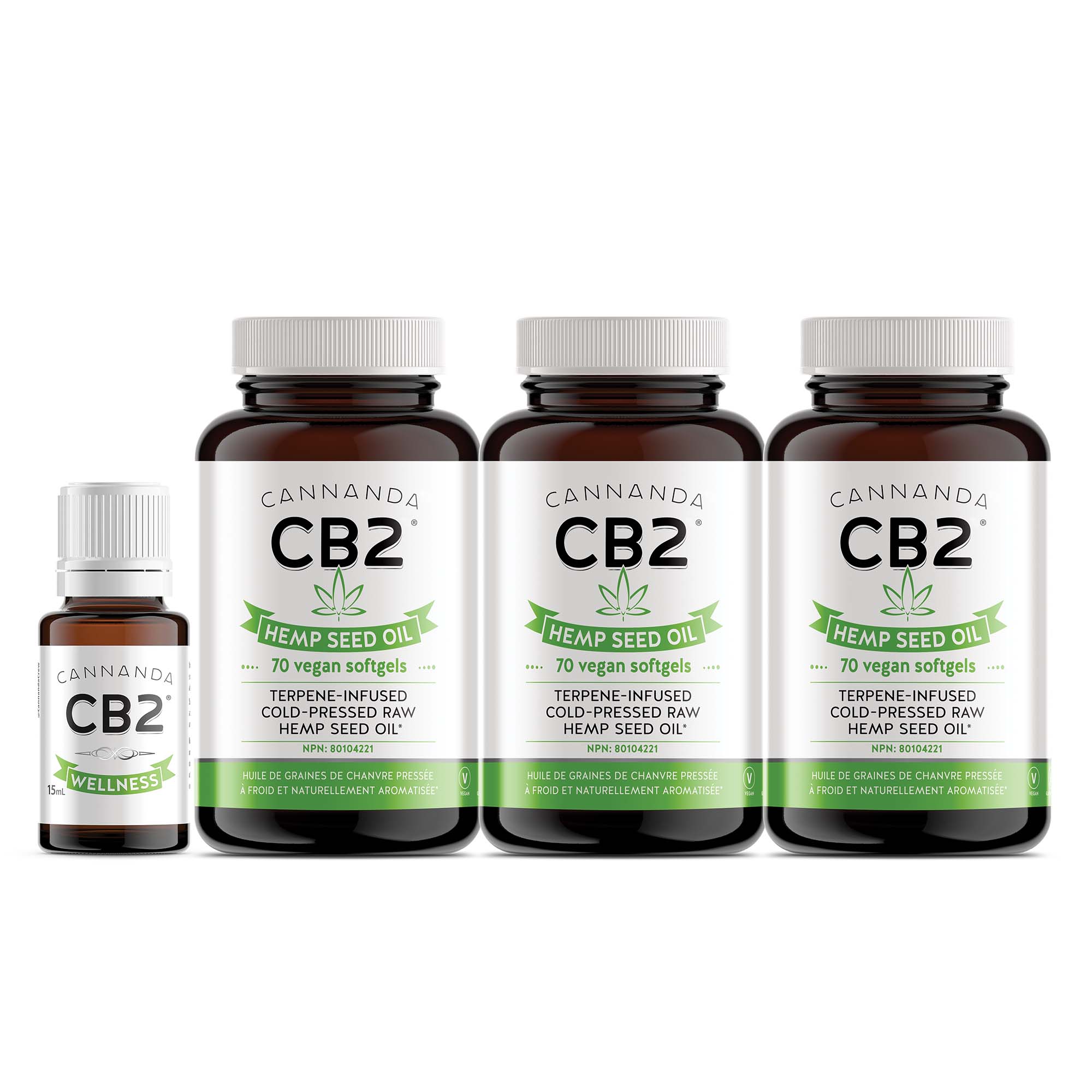
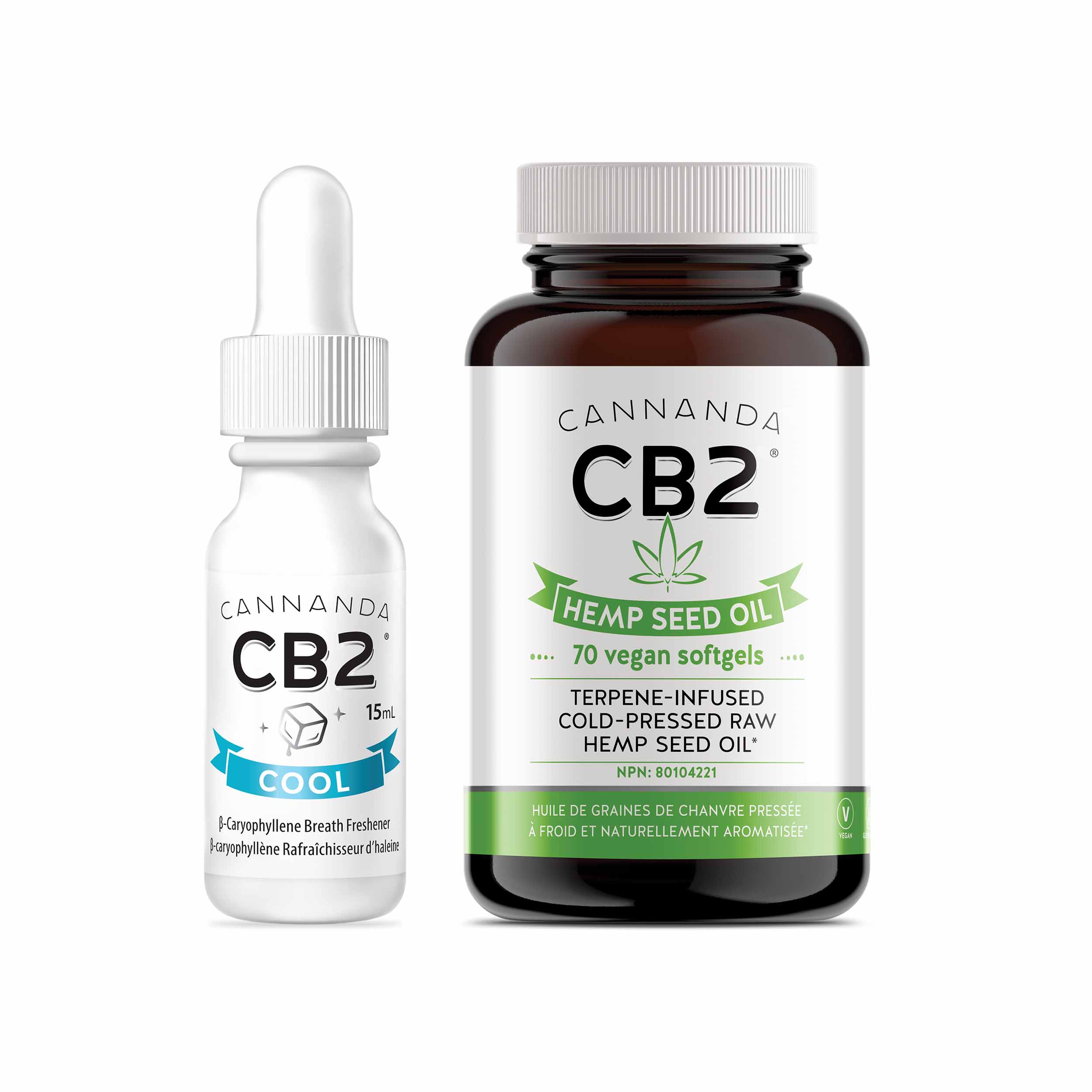
- CB2 Hemp Seed Oil
Foods to Limit
Processed Foods
Why: high in unhealthy fats, sugars, and additives, which can work against a healthy inflammatory response.
- Fast food
- Snack foods (chips, cookies)
- Processed meats (sausages, hot dogs)
- Sugary beverages (soda, energy drinks)
Sugar and Artificial Sweeteners
Why: can lead to energy spikes and crashes, which may contribute to fatigue.
- Candy
- Baked goods
- Sugary drinks
- Products with high fructose corn syrup
Gluten
Why: some people with fibromyalgia report sensitivity to gluten, which can cause digestive issues for some individuals.
- Wheat products (bread, pasta)
- Barley
- Rye
Dairy
Why: dairy can contribute to digestive discomfort in some individuals with fibromyalgia.
- Milk
- Cheese
- Ice cream
- Butter
Caffeine and Alcohol
Why: can interfere with sleep quality and may add to fatigue.
- Coffee
- Tea
- Alcoholic beverages
- Energy drinks
Supplements and Nutrients to Consider
Magnesium
Supports muscle relaxation and energy production.
Sources: spinach, almonds, black beans, supplements
Vitamin D
Supports bone health and immune function.
Sources: sun exposure, fatty fish, fortified foods, supplements
Omega-3 Fatty Acids
Studied for supporting a healthy inflammatory response.
Sources: fish oil, flaxseed oil, chia seeds, and CB2 Hemp Seed Oil (a source of the unique omega-3 SDA)
Coenzyme Q10 (CoQ10)
Supports energy production and helps counter oxidative stress.
Sources: meat, fish, whole grains, supplements
B Vitamins
Support energy production and nervous system health.
Sources: leafy greens, eggs, dairy, fortified cereals, supplements
Practical Tips for a Fibromyalgia-Friendly Diet
Sample One-Day Meal Plan
- Breakfast: Greek yogurt with blueberries, chia seeds, and a drizzle of honey
- Snack: Apple slices with almond butter
- Lunch: Quinoa salad with mixed greens, cherry tomatoes, avocado, grilled chicken, and olive oil vinaigrette
- Snack: A handful of walnuts and an orange
- Dinner: Baked salmon with steamed broccoli and sweet potato wedges
- Dessert: A small piece of dark chocolate
CB2 Hemp Seed Oil
A food-friendly way to add beta-caryophyllene and SDA omega-3 to your daily routine, alongside a fibromyalgia-conscious diet.
Shop CB2 Hemp Seed OilFinal Thoughts
Building a diet rich in anti-inflammatory foods, lean protein, whole grains, and healthy fats, while limiting processed foods, sugars, gluten, dairy, caffeine, and alcohol, can support fibromyalgia symptom management. Always consult a healthcare provider before making significant dietary changes, especially if you have other health conditions or take medications.
By making thoughtful dietary choices, you can support your body's needs, help manage inflammation, and improve your overall quality of life with fibromyalgia.
Frequently Asked Questions
- What foods should I eat with fibromyalgia?
- Focus on anti-inflammatory foods like fatty fish, leafy greens, berries, nuts and seeds, and olive oil, along with lean protein, whole grains, and a variety of fruits and vegetables.
- What foods should I avoid with fibromyalgia?
- Many people with fibromyalgia find it helpful to limit processed foods, added sugar and artificial sweeteners, gluten, dairy, caffeine, and alcohol, since these can affect inflammation, sleep, and energy for some individuals.
- Which supplements are commonly considered for fibromyalgia?
- Magnesium, vitamin D, omega-3 fatty acids, CoQ10, and B vitamins are commonly discussed. Always talk to your doctor before adding new supplements, especially alongside other medications.
Add Beta-Caryophyllene to Your Fibromyalgia-Friendly Diet
CB2 Hemp Seed Oil is an easy, food-based way to build BCP into your routine.
Shop CB2 Hemp Seed Oil