NSAIDs, Acetaminophen, and Opioids: The Hidden Risks, and a Natural Alternative That's Safer Long-Term
What common painkillers actually do to your gut, liver, and kidneys (and why CB2 oil works differently)

This article is for anyone who regularly uses ibuprofen, naproxen, acetaminophen, or other painkillers for chronic or recurring pain (arthritis, joint pain, headaches, back pain, menstrual cramps) and wants to understand what those medications are doing to the rest of their body. It's also for people looking for a natural pain relief option that's safe to use every day without accumulating long-term risks.
Every common painkiller category carries a significant downside with regular use:
- NSAIDs (ibuprofen, naproxen): damage the gut lining, cause leaky gut, raise cardiovascular and kidney risk
- Acetaminophen (Tylenol): stresses the liver; overdose can cause acute liver failure
- Opioids: highly addictive, respiratory depression risk, severe GI side effects
Cannanda CB2 oil works through a completely different mechanism (CB2 receptor activation) that relieves pain and inflammation without touching prostaglandins, the liver's metabolic pathways, or opioid receptors. It can be used every day long-term, and actually supports gut health rather than damaging it.
Most people who take ibuprofen for a sore back or Tylenol for a headache don't think much about what those pills are doing beyond managing the symptom. But when pain becomes chronic, when you're reaching for the same pills every day or every week, the cumulative effects on your body start to matter a lot.
The problem isn't that these medications don't work. It's that the mechanisms through which they work also create collateral damage, particularly in the gut, liver, and kidneys. Understanding exactly how that damage happens makes the case for a different approach much clearer than any marketing claim could.
How NSAIDs Damage Your Gut
Non-steroidal anti-inflammatory drugs, ibuprofen (Advil, Motrin), naproxen (Aleve), and their relatives, are among the most widely used medications on earth. They work by blocking COX enzymes, which reduces the production of prostaglandins. Prostaglandins drive inflammation, so blocking them relieves pain and reduces swelling.
Here's the problem: prostaglandins don't only drive inflammation. They also maintain the protective lining of the stomach and intestine. When NSAIDs block prostaglandin production, they're not just reducing inflammation at the site of pain, they're stripping the gut of its protective layer throughout the entire digestive system.
Block COX enzymes → reduce prostaglandins → reduce inflammation at the pain site and strip gut lining protection → ulcers, bleeding, leaky gut, microbiome disruption, cardiovascular stress, kidney strain
Activate CB2 receptors → reduce inflammatory cytokines at the source → relieve pain and inflammation without touching prostaglandins, the gut lining, or any organ system downstream
The downstream consequences of prolonged NSAID use are well-documented:
- Stomach ulcers and bleeding. Prostaglandin inhibition in the stomach allows acid to erode the stomach wall. Long-term NSAID users have significantly higher rates of GI bleeding and ulcers.
- Intestinal inflammation and permeability. NSAIDs disrupt the integrity of the intestinal mucosa, the lining of the small and large intestine, increasing permeability. This is leaky gut syndrome: a state where the intestinal barrier breaks down and allows bacteria, toxins, and undigested food particles to enter the bloodstream.
- Gut microbiome disruption. Research shows NSAIDs alter the gut microbiome composition in ways that can worsen systemic inflammation, compounding the very problem they were meant to address.
- Cardiovascular risk. NSAIDs increase the risk of heart attack and stroke, particularly with long-term use, by affecting platelet function and blood pressure regulation.
- Kidney damage. Prostaglandins help maintain blood flow to the kidneys. Blocking them, especially in people who are older, have existing kidney issues, or are dehydrated, can lead to acute kidney injury or accelerate chronic kidney disease.
Leaky gut syndrome (where the intestinal lining becomes permeable to toxins and bacteria) is strongly associated with chronic systemic inflammation, autoimmune conditions, mood disorders, and brain fog. Many people who take NSAIDs long-term for joint pain or arthritis are unwittingly contributing to the same inflammation that's driving their pain, through a different pathway. CB2 oil has been shown in research to reduce gut inflammation and improve intestinal barrier integrity, the direct opposite of NSAIDs.
Acetaminophen and Your Liver
Acetaminophen (Tylenol, paracetamol) is often recommended as the "gentler" painkiller, and it is gentler on the gut. But it takes a different toll: on the liver.
Acetaminophen is processed by liver enzymes. At therapeutic doses, this is generally fine. But the margin between a therapeutic dose and a liver-damaging dose is narrower than most people realize. Factors that shrink that margin include:
- Taking multiple products containing acetaminophen simultaneously (many cold medicines, sleep aids, and prescription combinations include it)
- Drinking alcohol, which competes for the same liver enzymes
- Being malnourished or fasting, which depletes the glutathione the liver needs to safely process acetaminophen's metabolites
- Having existing liver conditions
Acetaminophen overdose is the leading cause of acute liver failure in North America and the UK. And most cases are accidental, not intentional. Even within recommended doses, long-term daily use creates cumulative metabolic stress on the liver.
There's also an efficacy limitation: acetaminophen is significantly less effective than NSAIDs for inflammatory pain. For conditions like arthritis, where inflammation is central to the pain, acetaminophen often provides only partial relief, which leads people to take more of it, or combine it with other medications, increasing risk further.
Opioids: The Addiction and Dependency Problem
Opioids (oxycodone, hydrocodone, morphine, codeine) are the most powerful prescription pain relievers. For acute severe pain, post-surgical recovery, serious injury, they serve an important purpose. For chronic pain management, the risk profile is deeply problematic:
- Rapid tolerance and dependency. The brain's opioid receptors downregulate quickly with repeated exposure, requiring higher doses for the same effect. Physical dependence can develop within days of continuous use.
- Respiratory depression. Opioids suppress the brain's breathing reflex. This is the mechanism behind overdose deaths: breathing slows and stops.
- GI dysfunction. Opioids cause severe constipation, nausea, and vomiting in most users by acting on opioid receptors throughout the gut, slowing motility dramatically.
- Cognitive and mood effects. Long-term opioid use is associated with cognitive impairment, depression, and dysregulation of the brain's natural reward system.
The opioid crisis is not a story of misuse alone, it's a story of how a high-dependency medication was prescribed at scale for conditions that could have been managed differently. CB2 receptor activation, by contrast, has been shown in research to potentially reduce addictive behaviours, not create them.
Why Gut Health Is the Overlooked Factor in Chronic Pain
The gut contains approximately 70% of the body's immune system and trillions of microorganisms that influence inflammation levels throughout the body. When the gut lining is damaged, as it is with long-term NSAID use, the consequences extend far beyond digestion:
- Nutrient absorption suffers, reducing the body's ability to rebuild and repair tissues
- Systemic inflammation increases, potentially worsening the pain conditions the painkillers were meant to address
- The gut-brain axis is disrupted, contributing to mood changes, anxiety, and cognitive fog
- Immune function is compromised, making the body more vulnerable to illness and slower to recover
This is the feedback loop that makes long-term NSAID use for chronic pain particularly counterproductive. The medication relieves some of the pain, but damages the gut, which increases systemic inflammation, which worsens the underlying condition. Many people taking daily NSAIDs for arthritis are caught in exactly this cycle without realising it.
How CB2 Oil Works Differently
Cannanda CB2 oil contains beta-caryophyllene (BCP), a food-grade terpene found in black pepper, cloves, and other plants. BCP is the only dietary compound known to directly activate CB2 receptors in the endocannabinoid system.
CB2 receptors are found throughout the immune system and peripheral tissues. When activated, they regulate the production of inflammatory cytokines, the molecular signals that drive inflammation and pain. This is a fundamentally different route to the same destination as NSAIDs, and one that doesn't involve prostaglandins, gut lining, liver enzymes, or opioid receptors.
Research published in the Journal of Pain Research found that BCP significantly reduced chronic pain and inflammation in animal models, corroborated by thousands of human reports. Research in the European Journal of Pharmacology confirmed BCP's role as a functional CB2 receptor agonist producing pain relief and anti-inflammatory effects. Additional studies show BCP actively supports gut barrier integrity and reduces intestinal inflammation, doing the opposite of what NSAIDs do.
Five Ways CB2 Oil Outperforms Conventional Painkillers for Long-Term Use
- Gut-safe, gut-supportive. BCP doesn't inhibit prostaglandins. It won't cause ulcers, GI bleeding, or leaky gut. Research shows it may actually improve intestinal barrier integrity and reduce gut inflammation.
- Liver-safe. BCP is a food-grade terpene, it doesn't stress liver metabolic pathways the way acetaminophen does. Studies show it can actively support liver health and reduce liver inflammation.
- Non-addictive, and in fact, anti-addictive. BCP doesn't activate opioid receptors or CB1 receptors. There's no dependency or withdrawal. Research suggests it may even reduce addictive behaviours.
- Cardiovascular and kidney neutral. Unlike NSAIDs, BCP doesn't affect prostaglandin-mediated blood pressure or kidney perfusion. No cardiovascular or kidney risk has been identified at recommended doses.
- Better with long-term use. Conventional painkillers should be used for the shortest time necessary because risks accumulate. CB2 oil is the opposite: daily long-term use builds a stable foundation of CB2 receptor activation that supports ongoing pain management, immune regulation, and overall wellness. The longer you use it consistently, the more stable the baseline effect.
The Full Comparison
| Factor | NSAIDs (Ibuprofen) | Acetaminophen | Opioids | CB2 Oil (BCP) |
|---|---|---|---|---|
| Pain relief | Yes: inflammatory | Yes: mild/moderate | Yes: severe | Yes: inflammatory, neuropathic, chronic |
| Gut damage | Yes: ulcers, leaky gut, microbiome | No | Yes: constipation, motility | No: supports gut integrity |
| Liver risk | Some with long-term use | Yes: liver failure risk | Some | No: supports liver health |
| Cardiovascular risk | Yes: heart attack, stroke | Minimal at low dose | Yes | No known risk |
| Kidney risk | Yes: with long-term use | At high doses | Some | No known risk |
| Addiction risk | No | No | High | No: may reduce addictive behaviour |
| Drug interactions | Many | Many | Many | None known at recommended doses* |
| Safe for long-term daily use | No | No | No | Yes: improves with consistent use |
| Supports overall health | No: undermines it | No | No | Yes: pain, immune, gut, mood, liver |
*Except for those on a medication with a narrow therapeutic window, who should talk to a doctor before starting.
Which CB2 Oil Products Work Best for Pain?
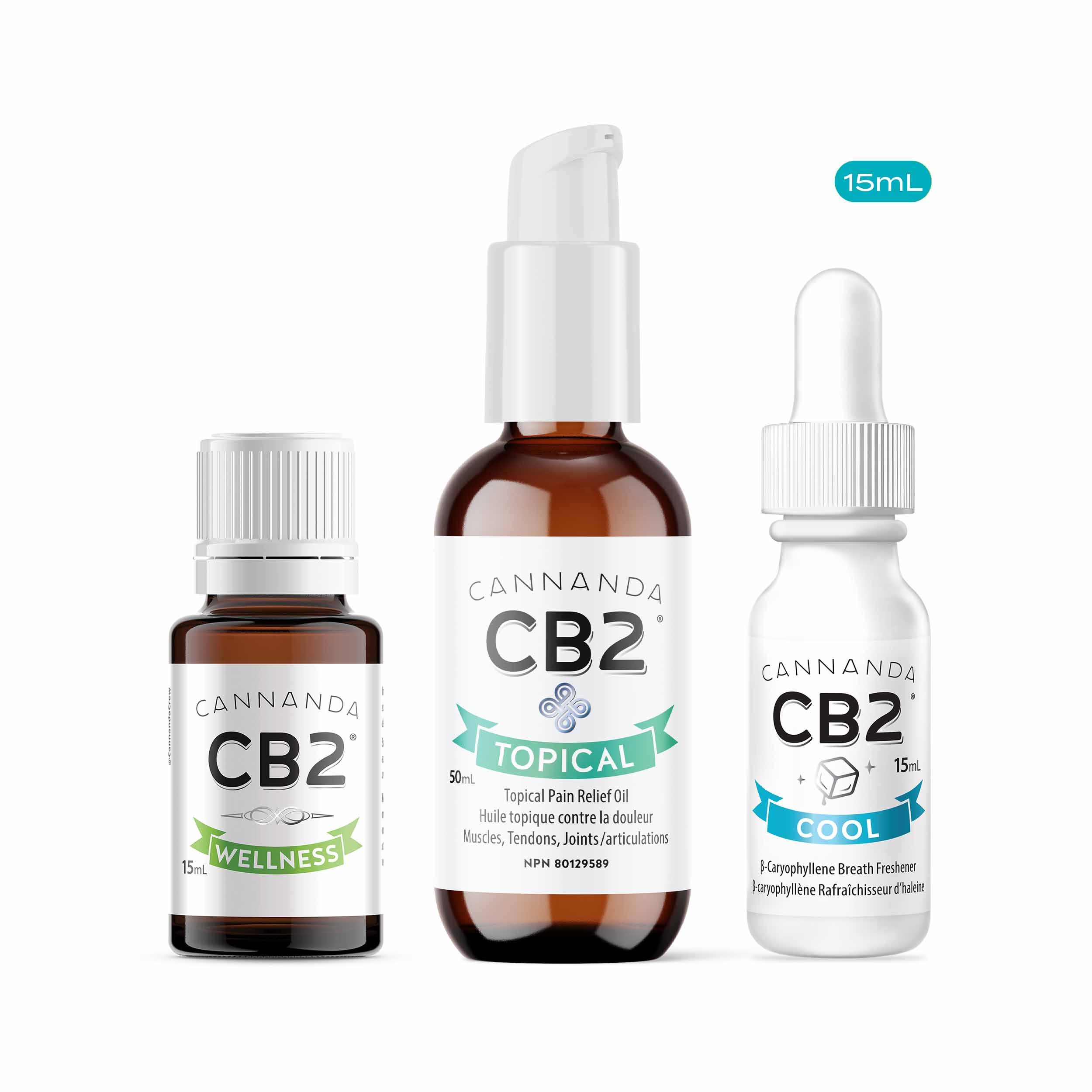
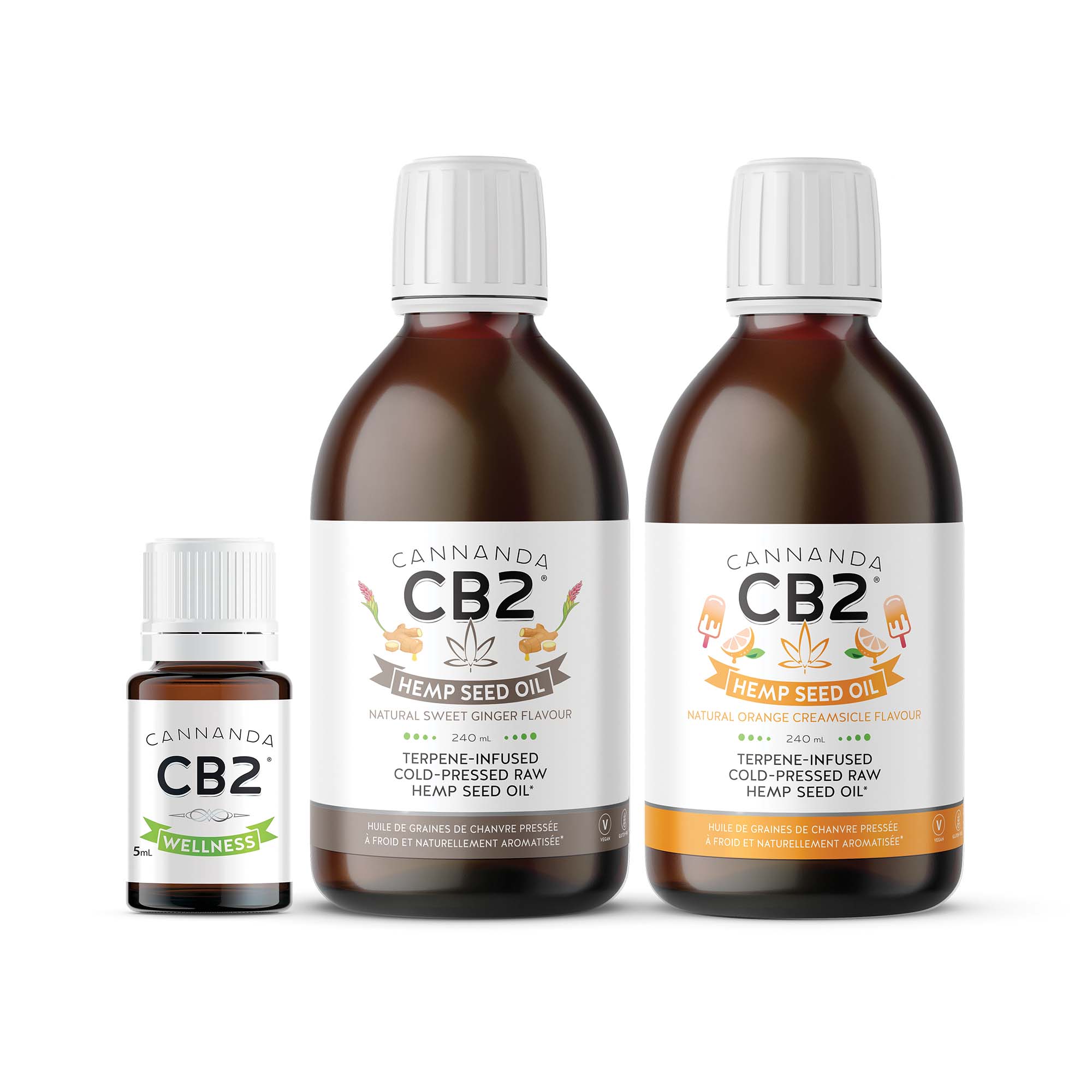
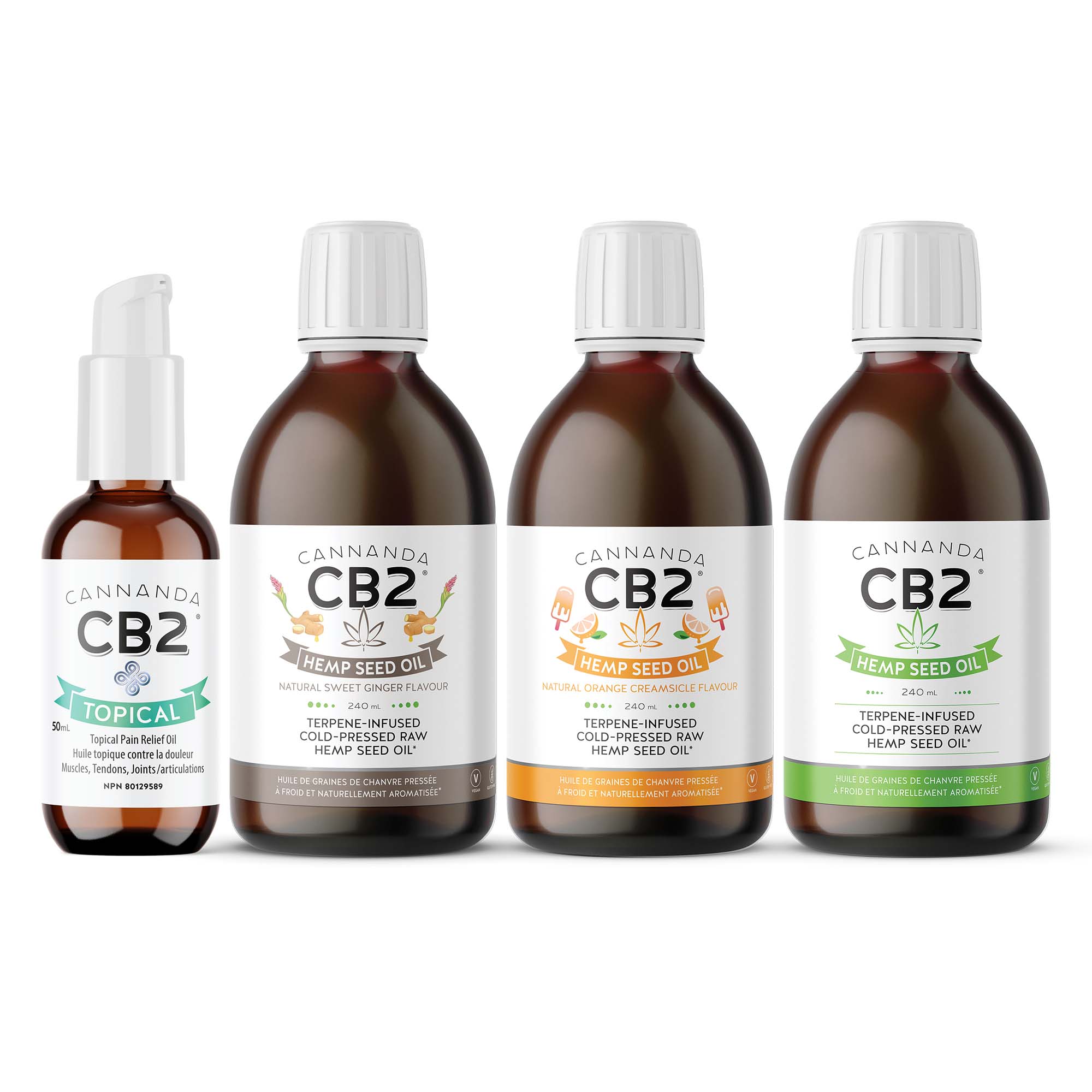
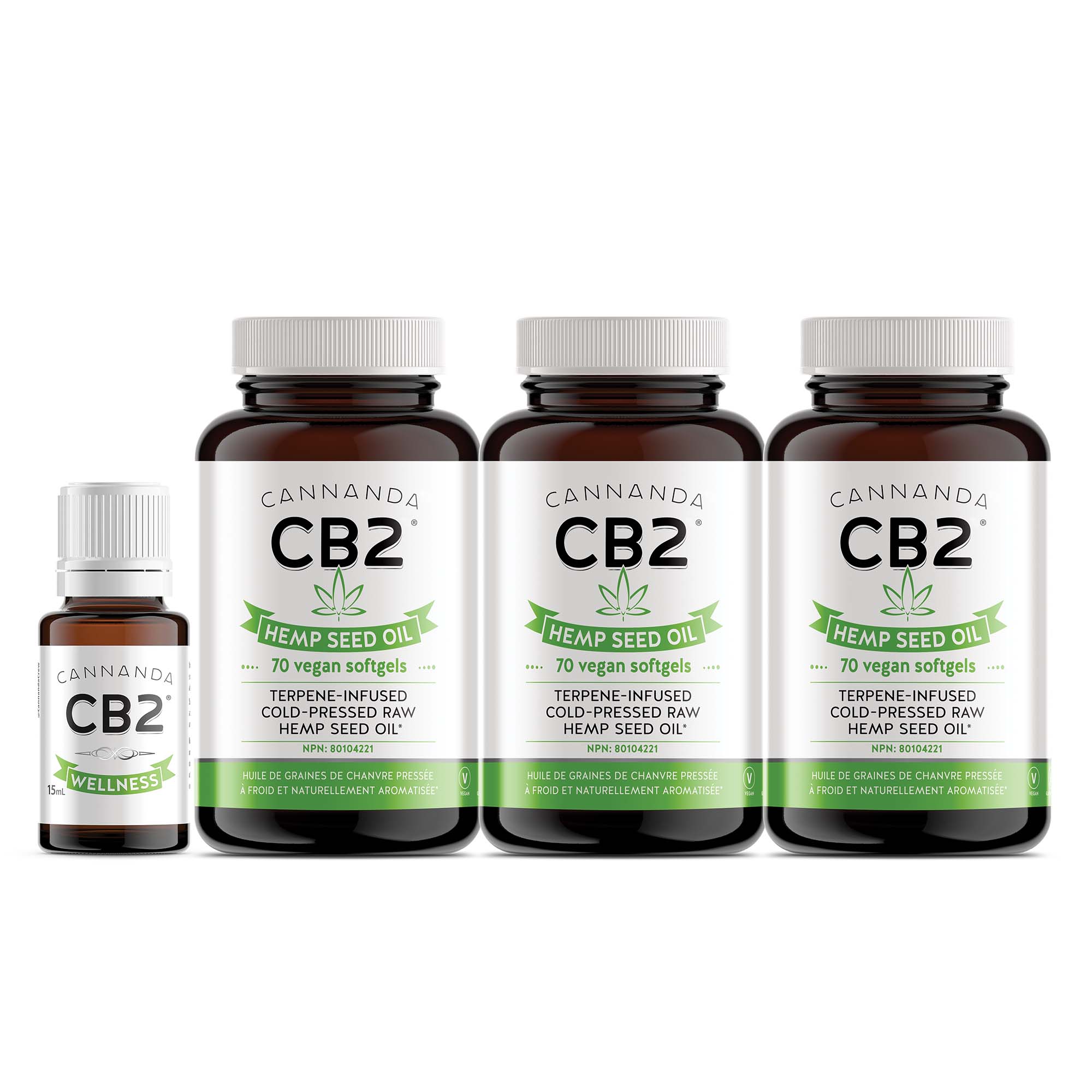
- CB2 Wellness: the most versatile option for pain. Highly concentrated BCP; can be taken sublingually for daily systemic support and used via inhalation for faster acute relief. Most flexible for dose adjustment.
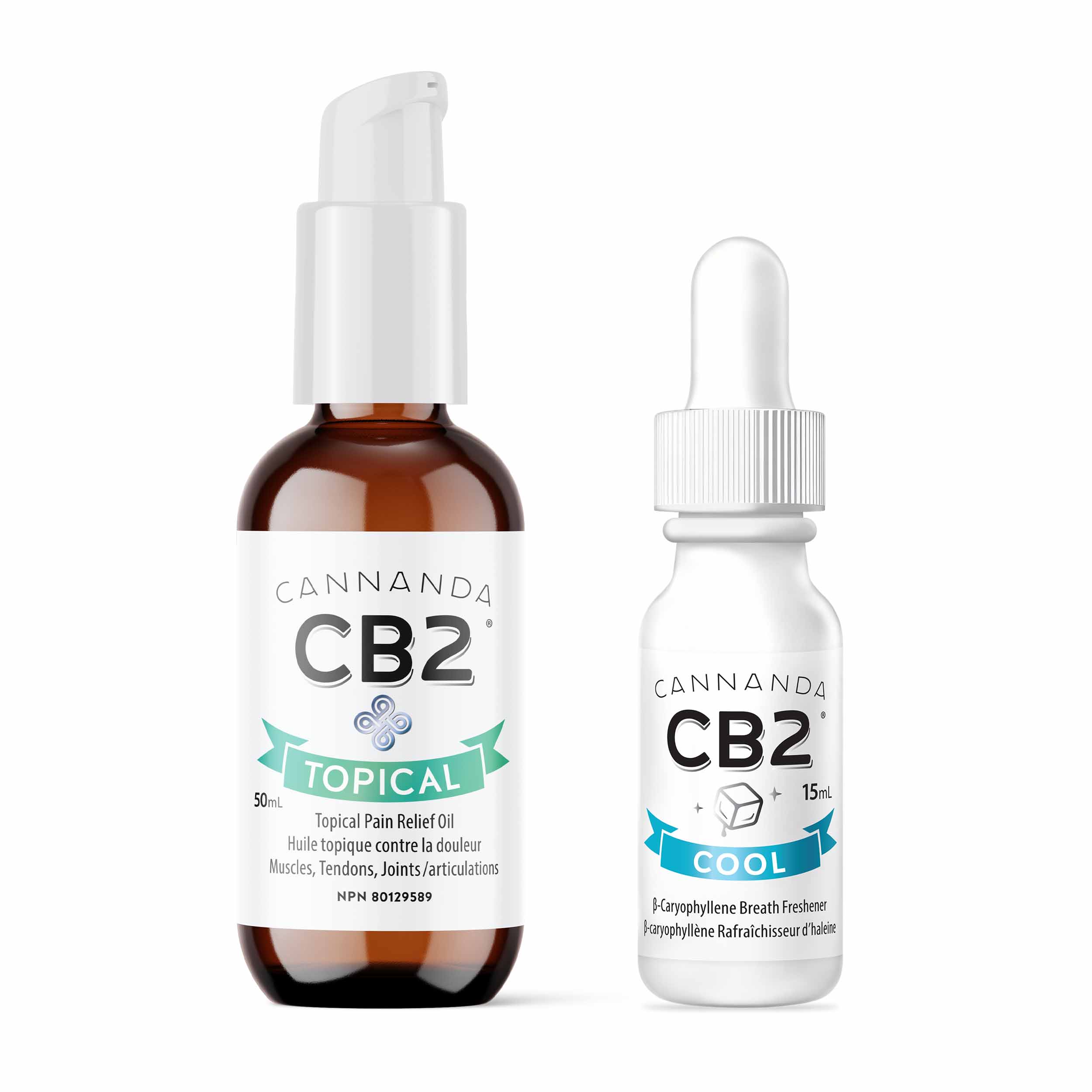
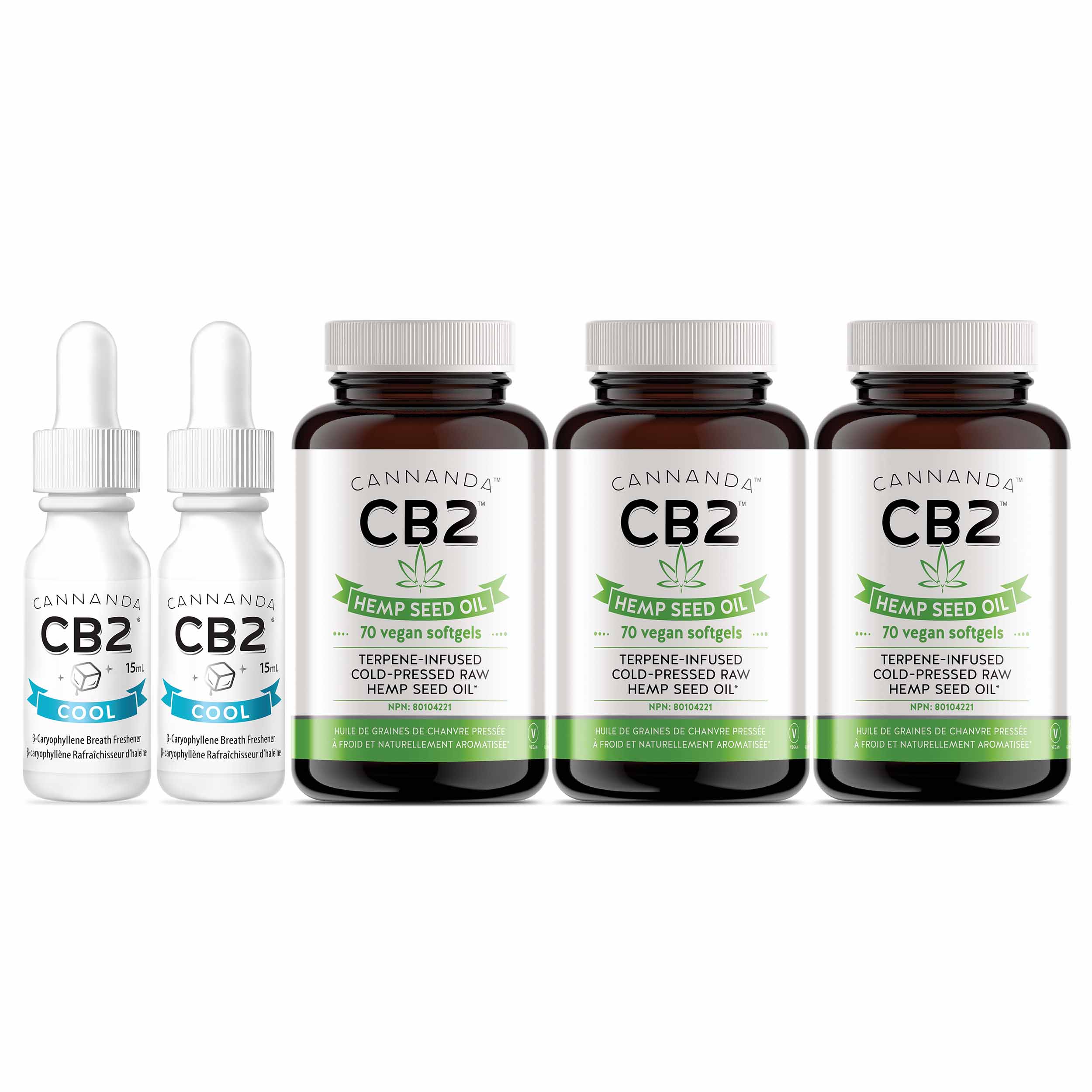
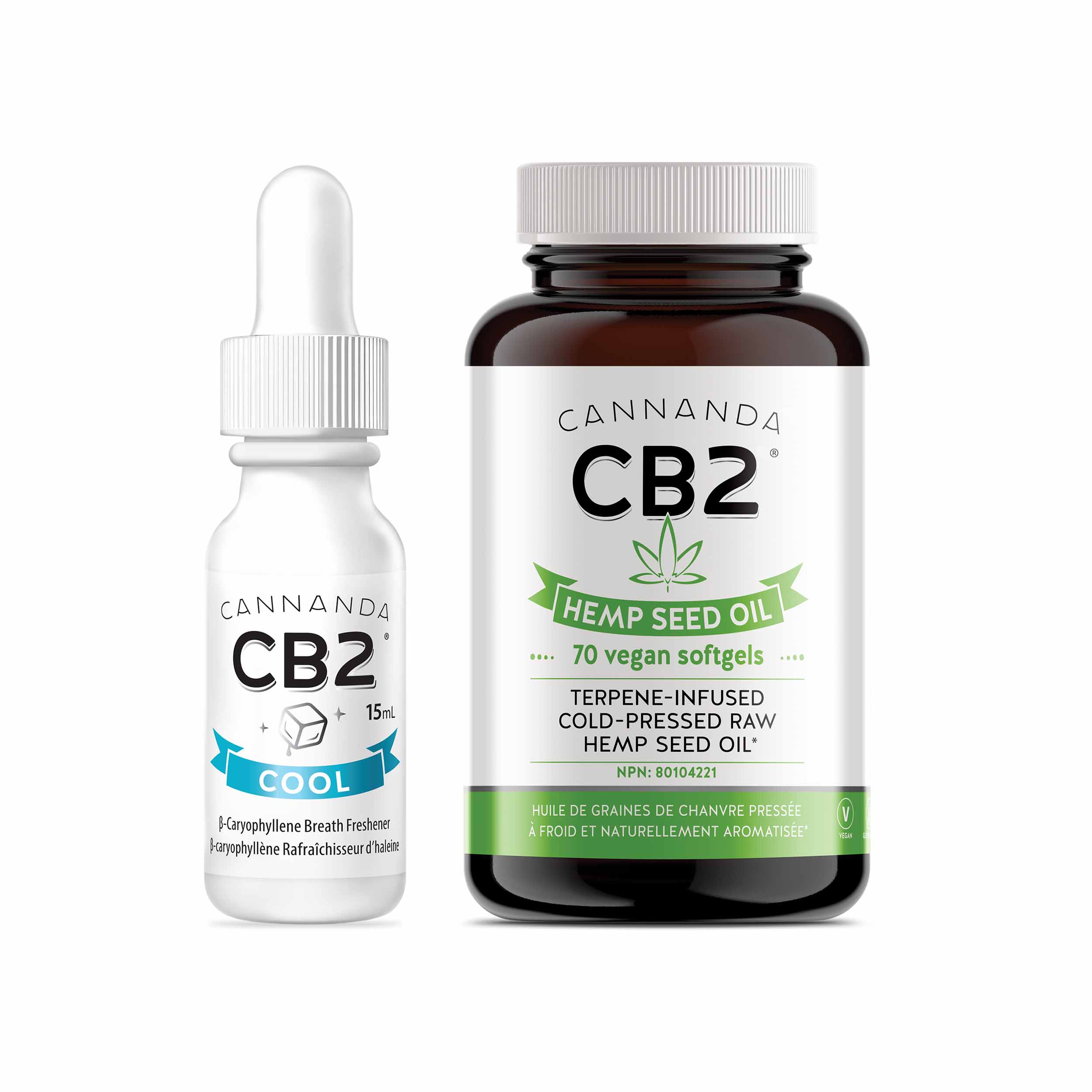
- CB2 Cool: sublingual drops, ideal for people who want fast absorption without inhalation. Hold under tongue for 30–60 seconds before swallowing.
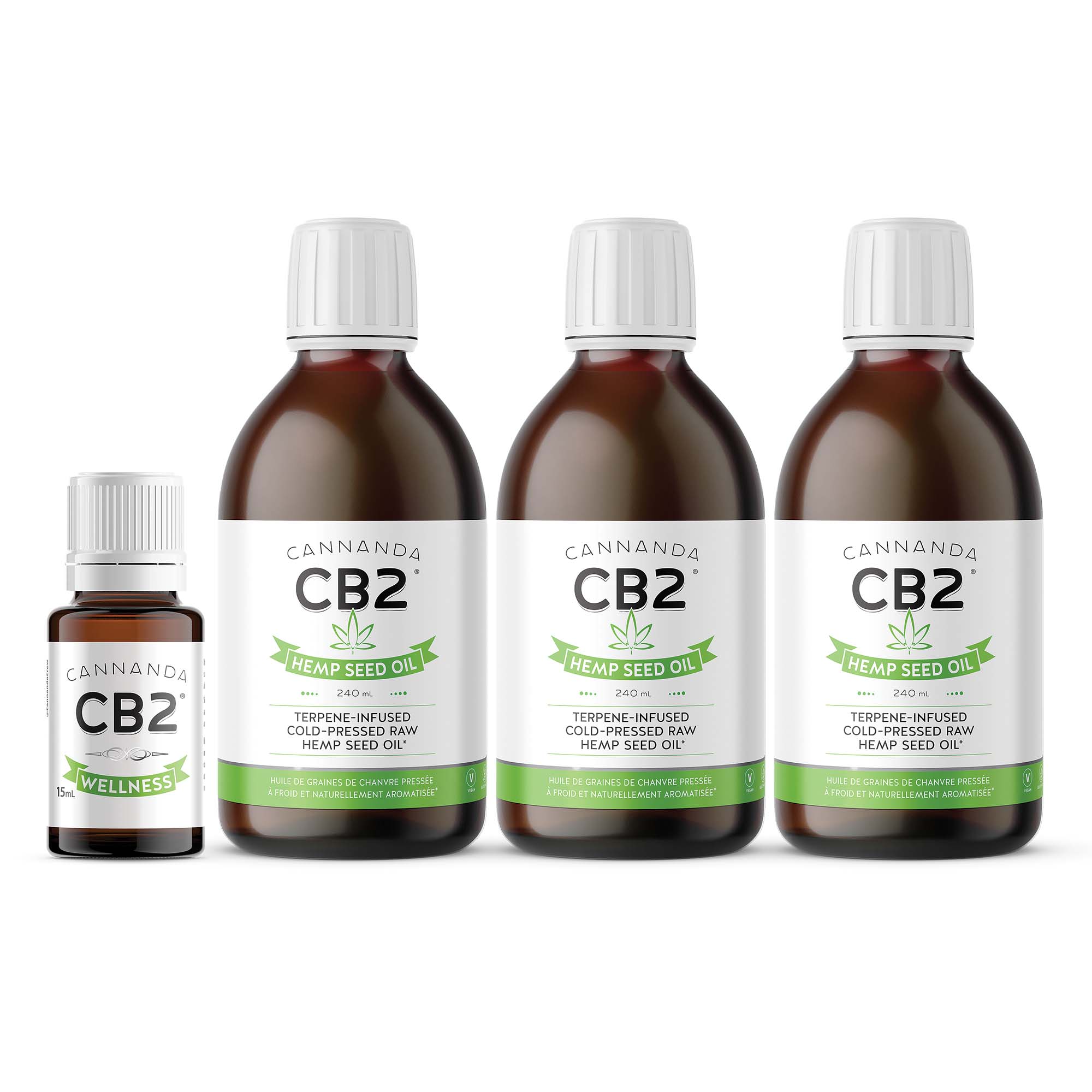
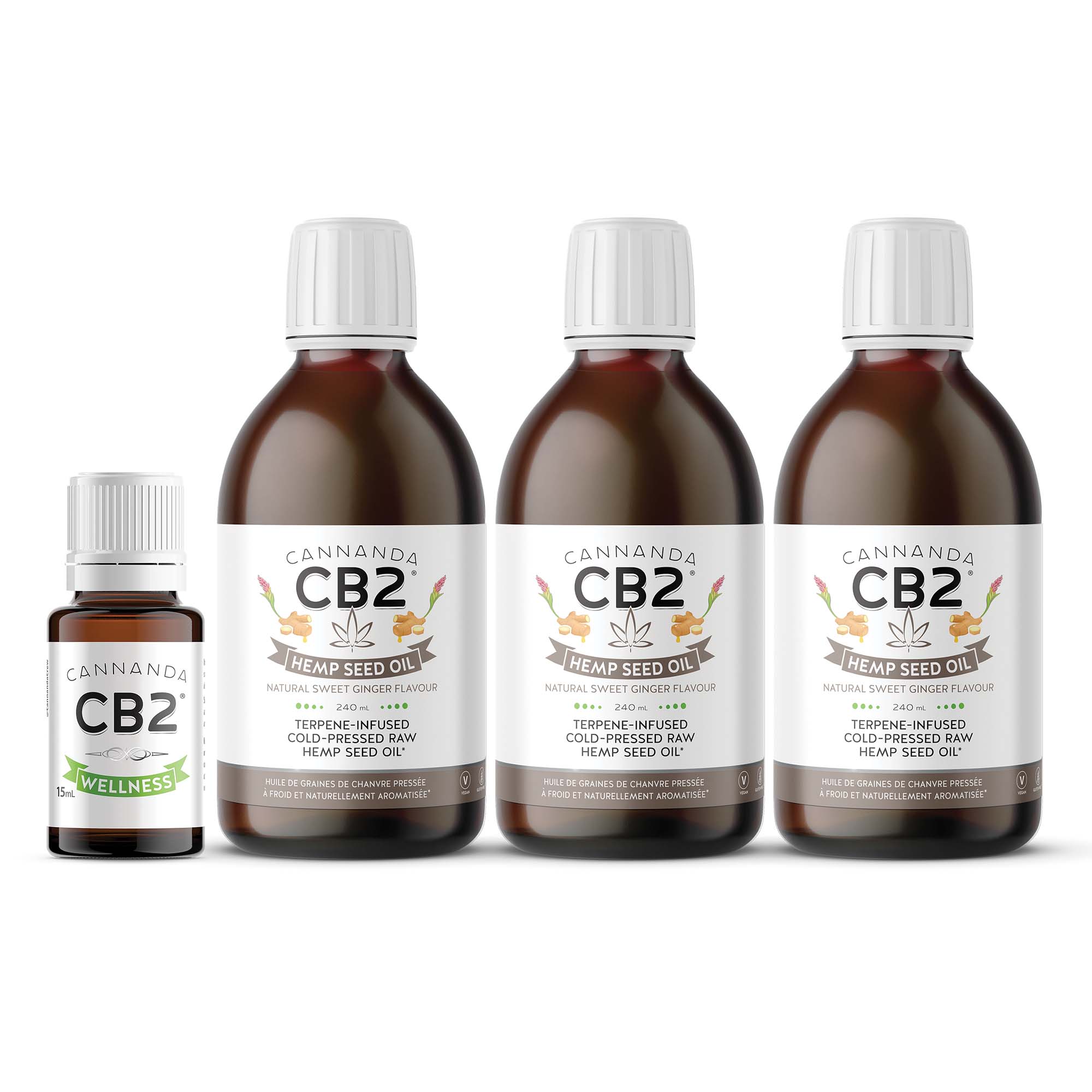
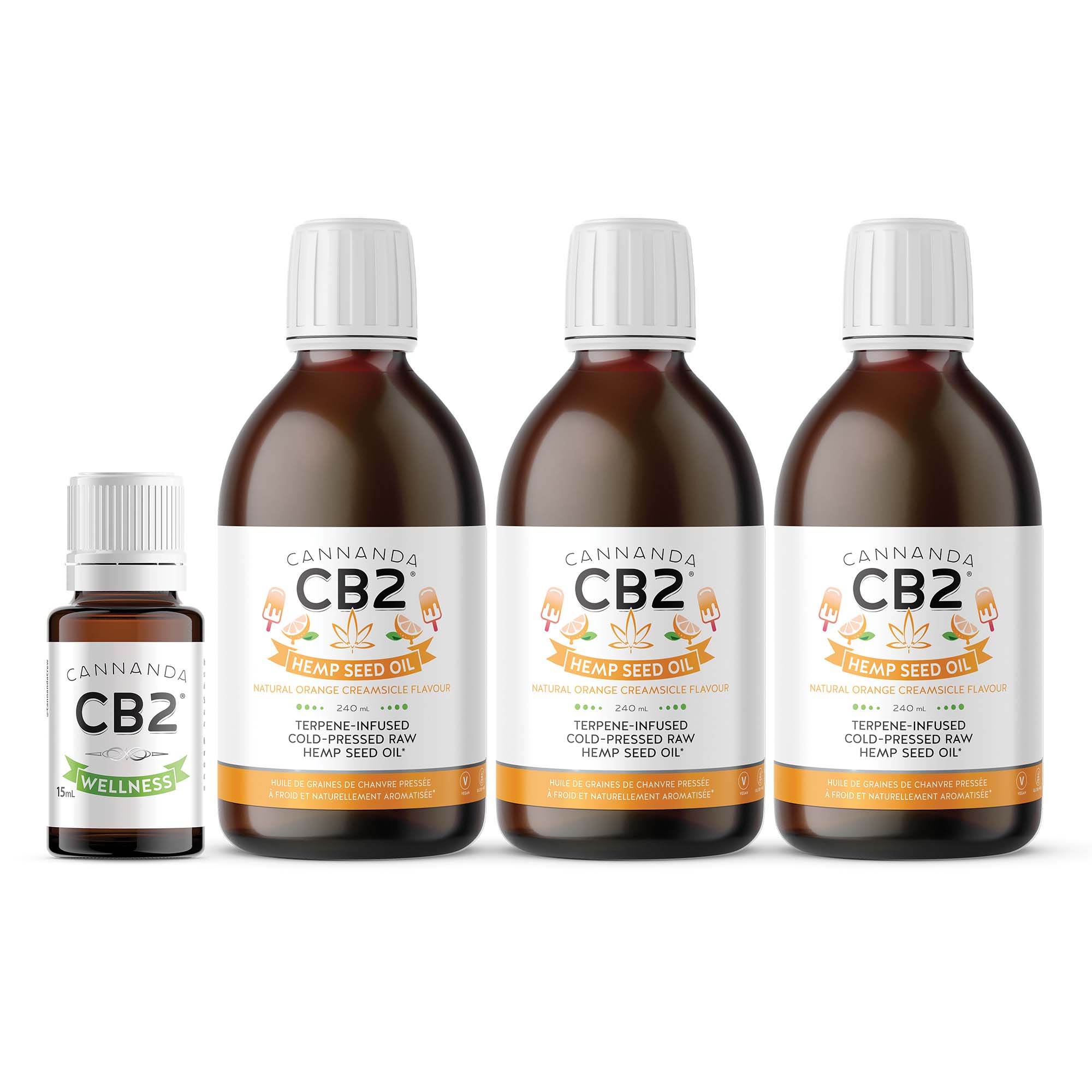
- CB2 Hemp Seed Oil: BCP plus omega-3 and omega-6 fatty acids from hemp seed oil, which provide additional anti-inflammatory support. Good for daily use added to food.
- CB2 Softgels: most convenient for a consistent daily routine. Take with a fat-containing meal for best absorption.
- CB2 Topical Oil: for localized joint or muscle pain. Apply directly to the affected area and massage in. Works well as a complement to daily oral BCP: local action plus systemic support.
Start with the recommended dose on the label and give it 2–4 weeks of consistent daily use. For full dosing guidance, see How Much BCP Should You Actually Take?
One important note: make sure you're buying authentic Cannanda CB2 oil. There are growing numbers of counterfeit and substandard BCP products on the market, particularly in Australia, that don't deliver the formulation quality behind the research and the 60–70% success rate. Look for the Cannanda CB2® registered trademark and buy from Cannanda.com or authorized distributors.
Frequently Asked Questions
Is ibuprofen bad for your gut?
Yes. Ibuprofen and other NSAIDs inhibit prostaglandins, compounds that protect the stomach and intestinal lining. This leads to ulcers, GI bleeding, and leaky gut syndrome with long-term use. They also disrupt the gut microbiome. CB2 oil doesn't inhibit prostaglandins and has been shown to support gut barrier integrity instead.
What is a natural alternative to ibuprofen for pain?
Beta-caryophyllene (BCP) in Cannanda CB2 oil is a well-researched natural anti-inflammatory that works through CB2 receptor activation rather than prostaglandin inhibition. It relieves pain and inflammation without the gut, cardiovascular, or kidney risks associated with NSAIDs, and can be used daily long-term.
Is CB2 oil safer than Tylenol for the liver?
Yes, particularly for long-term use. Acetaminophen is processed by liver enzymes and can cause serious liver damage at higher doses or combined with alcohol. BCP is a food-grade terpene that doesn't stress liver metabolic pathways. Research shows it actually supports liver health, reducing inflammation and oxidative stress.
Can CB2 oil be used every day long-term?
Yes, and it's specifically designed for daily long-term use, which is the opposite of conventional painkillers. BCP is a food-grade compound with FDA GRAS status. Daily use builds a stable baseline of CB2 receptor activation that supports ongoing pain management, immune regulation, and overall wellness. There are no known adverse effects from long-term use at recommended doses, and no known adverse drug interactions, with one exception: if you're on a medication with a narrow therapeutic window, talk to your doctor before starting.
Does CB2 oil cause leaky gut?
No, it does the opposite. Unlike NSAIDs, BCP has been shown to reduce gut inflammation and support intestinal barrier integrity. Research suggests it may help repair leaky gut rather than cause it.
What are the risks of taking ibuprofen every day?
Daily ibuprofen significantly raises the risk of stomach ulcers, GI bleeding, leaky gut, cardiovascular problems (heart attack and stroke), kidney damage, and gut microbiome disruption. For chronic pain requiring daily management, a safer long-term option is worth exploring.
Is CB2 oil addictive like opioids?
No. BCP activates CB2 receptors, not opioid receptors or CB1 receptors involved in addiction and intoxication. There is no dependency risk, no withdrawal, and no abuse potential. Research suggests BCP may actually help reduce addictive behaviours, the direct opposite of opioids.
How does CB2 oil relieve pain without damaging the gut?
NSAIDs block prostaglandins to reduce inflammation, but prostaglandins also protect the gut lining, so blocking them causes gut damage. BCP takes a different route: it activates CB2 receptors in immune cells and peripheral tissues, reducing inflammatory cytokine production at the source of inflammation. This relieves pain without touching prostaglandins, the gut lining, or any downstream organ system.
Which CB2 oil product is best for pain relief?
CB2 Wellness is the most flexible starting point, can be used sublingually for daily support and inhaled for faster acute relief. CB2 Topical Oil is a useful complement for localized joint or muscle pain. For a convenient daily routine, CB2 Softgels work well taken with a fat-containing meal.